 Chinese
 Italian
 Spain
 French
 German
 Arabic
 Portugese

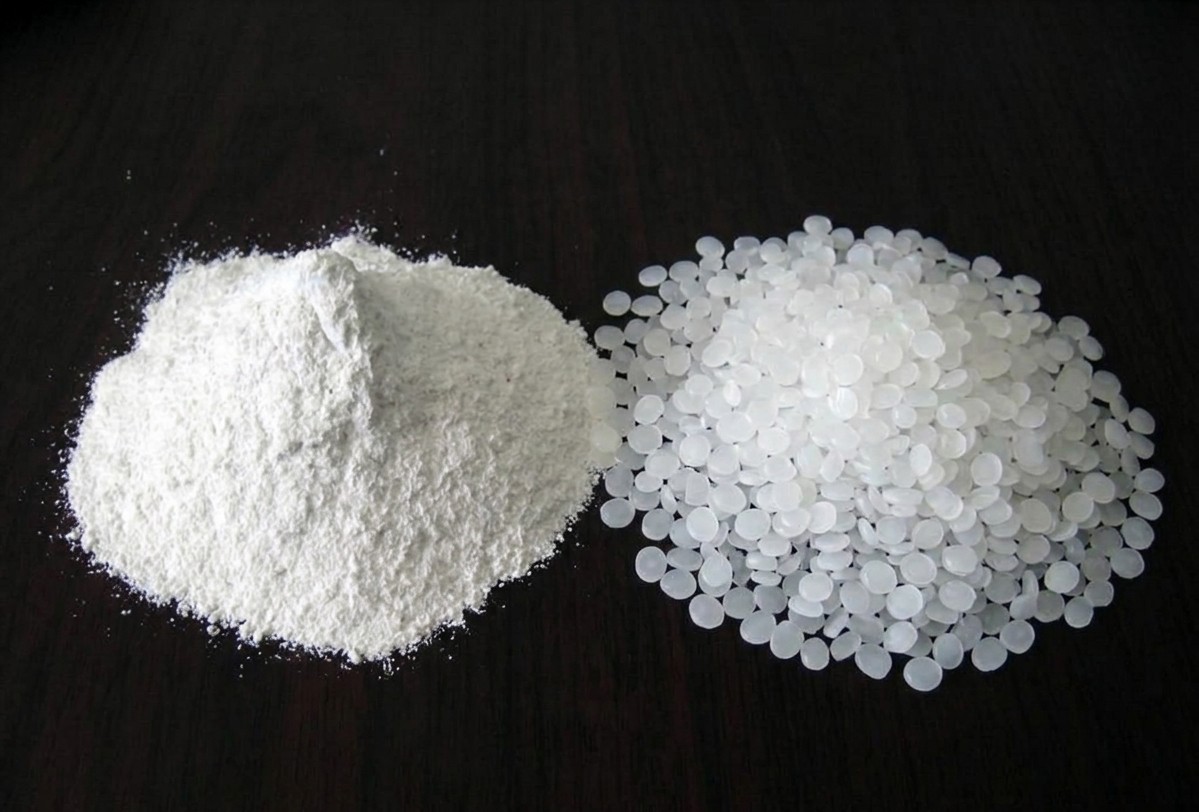
How Physical Form Affects Your Fatty Acid Amide Performance on the Line
The chemistry inside a powder form and a granule form of the same fatty acid amide is identical. The melting point, active content, migration behavior, and functional performance in the finished polymer are the same. What changes is everything that happens before the additive reaches the polymer melt. How it feeds, how it disperses, how it affects your workshop environment, and whether your production system can handle it reliably at the addition rates slip and lubrication applications require.
For formulators and procurement teams evaluating plastic additive supply, this distinction is more consequential than it often appears. The wrong physical form for the process creates feeding problems, dosing inconsistency, workplace contamination, or dispersion failures that trace back to the additive format rather than the chemistry, and switching form is a simpler fix than reformulating when the root cause is identified.
What Powder Form Does Well and Where It Struggles
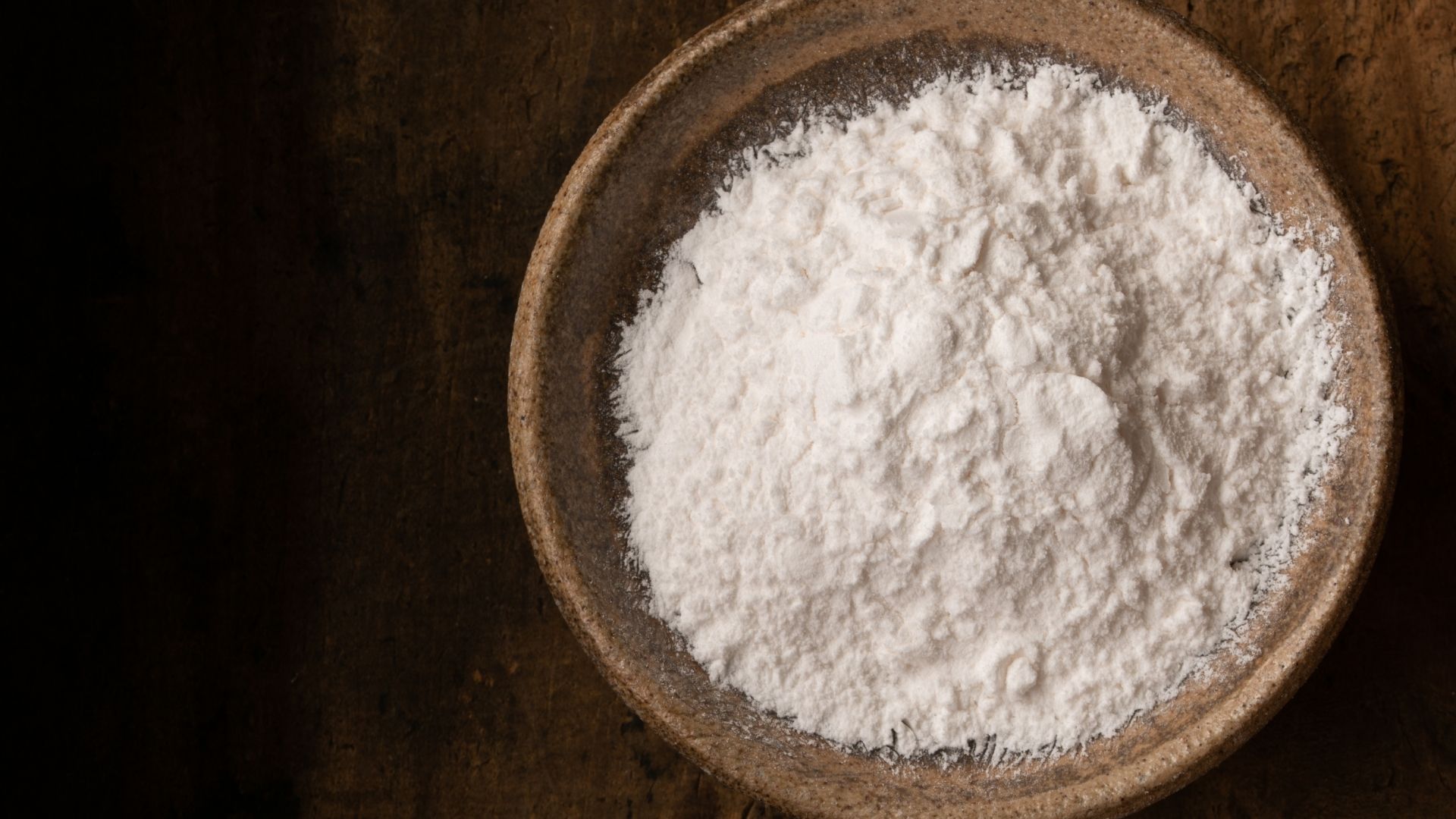
Powder form fatty acid amides, typically supplied at fine mesh grades such as 325 or 800 mesh, offer one performance advantage that granule formats cannot match: dispersion speed. The large surface area presented by fine particles allows intimate, immediate contact with pigments, fillers, and other dry components during mixing. This is why powder EBS is the standard choice in color masterbatch production, where uniform wetting and coating of carbon black or organic pigment particles is the critical first step in achieving consistent color strength and dispersion quality in the finished compound.
The same surface area that makes powder effective at dispersion also makes it difficult to handle at scale. Fine plastic additive powders generate significant airborne dust during feeding, weighing, and transfer operations, creating workshop contamination, respiratory hazard exposure, and potential losses that compound across high-volume production. Powder is also prone to bridging in hoppers and feeders, where fine particles pack together and interrupt consistent flow, a problem that causes dosing fluctuation and corresponding inconsistency in additive concentration across production runs.
For liquid and paste systems, powder format remains appropriate. Micronized powder grades of fatty acid amide products show excellent dispersibility in vinyl plastisols and similar systems where fine particle size directly enables the dissolution and distribution the system requires.
What Granule Form Solves
Granule form (also supplied as pastilles at 20 to 40 mesh) trades dispersion speed for handling manageability, and in most compounding and extrusion environments that trade is the right one. Free-flowing granules feed consistently through automated dosing systems without bridging or clogging, generate minimal to no dust during handling, and integrate cleanly into production workflows designed around pelletized resin and masterbatch inputs.
For direct addition to an extruder alongside polymer resin, granule form is the technically correct choice for these reasons. The improved flowability prevents feed throat issues that disrupt line stability, and the absence of dust keeps the feeding environment clean and measurable. Storage stability also improves: granules are significantly less prone to clumping and segregation in blended premixes compared with fine powders, which can separate from coarser blend components over time in bulk storage.
The release of lubrication performance from granule form is slightly slower than from powder, as the granule must melt and disperse within the polymer melt before the additive becomes active. In standard compounding and extrusion environments with adequate melt mixing, this difference is operationally insignificant, the shear and temperature conditions of the extruder melt the granule and distribute the fatty acid amide uniformly before the melt reaches the die.
Matching Form to Process: The Decision Framework
The selection between powder form and granule form follows the process context rather than the chemistry. When the additive is being incorporated into a masterbatch alongside pigments or fillers where rapid intimate mixing determines dispersion quality, powder is the appropriate format. When the additive is being fed directly into an extruder or compounding line where flowability, dosing accuracy, and dust-free handling are the operational priorities, granule or pastille is the better fit.
Both formats serve specific process needs well. The mistake is not choosing the wrong chemistry. It is using powder in an automated bulk feeding system designed for pelletized inputs, or using granules in a dry-blending masterbatch process where fine particle contact with pigments is what the dispersion mechanism depends on.
For operations running both masterbatch production and direct compounding lines, maintaining both formats for the same plastic additive grade is a practical approach that optimizes each process without compromise.
Source Both Forms from a Manufacturer Who Understands the Application
Topwellgoal supplies fatty acid amide additives including erucamide, oleamide, stearamide, EBS, and the full amide portfolio in both powder form and granule form, matched to the application requirements customers are working with. Technical guidance on format selection, dosage, and integration into specific process environments is part of what we provide alongside product supply.
Contact Topwellgoal today to request specifications for powder or granule grades, samples, or application support for your compounding, masterbatch, or extrusion process.