 Chinese
 Italian
 Spain
 French
 German
 Arabic
 Portugese

Erucamide Market 2024 to 2032: Growth Trajectory, Application Trends, and What It Means for Sourcing
The global erucamide market reached USD 264 million in 2024 and is projected to grow to USD 359.25 million by 2032 at a CAGR of 3.93%. That growth trajectory is not driven by a single end market or geography. It reflects sustained, broad-based demand from flexible packaging, polymer processing, specialty film, and emerging industrial applications across Asia Pacific, North America, and Europe simultaneously. For procurement managers, formulators, and distributors making long-term sourcing decisions around amide-based additives, the market data points to a category that is expanding in both volume and technical complexity.
Where Demand Is Coming From
Slip agent applications account for the largest share of erucamide consumption, holding 58% of the application segment. The logic is straightforward: polyethylene and polypropylene films dominate flexible packaging output globally, and erucamide remains the preferred fatty acid amide slip agent for these systems due to its controlled migration behavior, thermal stability, and ability to achieve low COF without the haze penalty that faster-blooming alternatives like oleamide can introduce at equivalent loading.
Packaging is the leading end-use category with a 46% share, driven by sustained output growth in food packaging, consumer goods, and e-commerce shipping materials. Film converters running high-speed lines depend on consistent slip and anti-blocking performance to maintain line efficiency and converting quality, and erucamide’s combination of low ultimate COF, long-term stability, and film clarity preservation makes it the standard specification in demanding packaging film formulations.
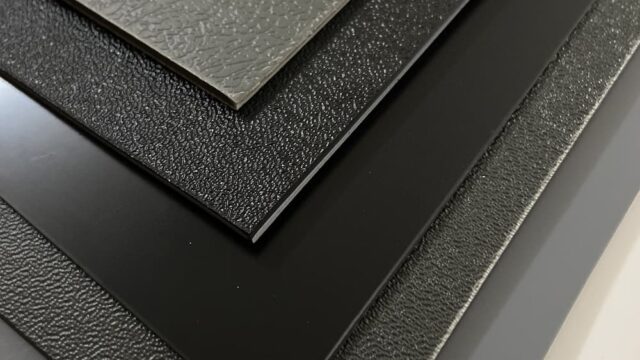
Beyond packaging, erucamide demand is expanding into polymer extrusion and cable production as a lubricant, into masterbatch processing as a dispersant, and into automotive and electronics applications where plastic interior components and cable insulation require surface modification. This application diversification reduces the category’s dependence on any single end market and strengthens the long-term demand base for plastic additives in this chemical family.
Form Factor and Regional Distribution
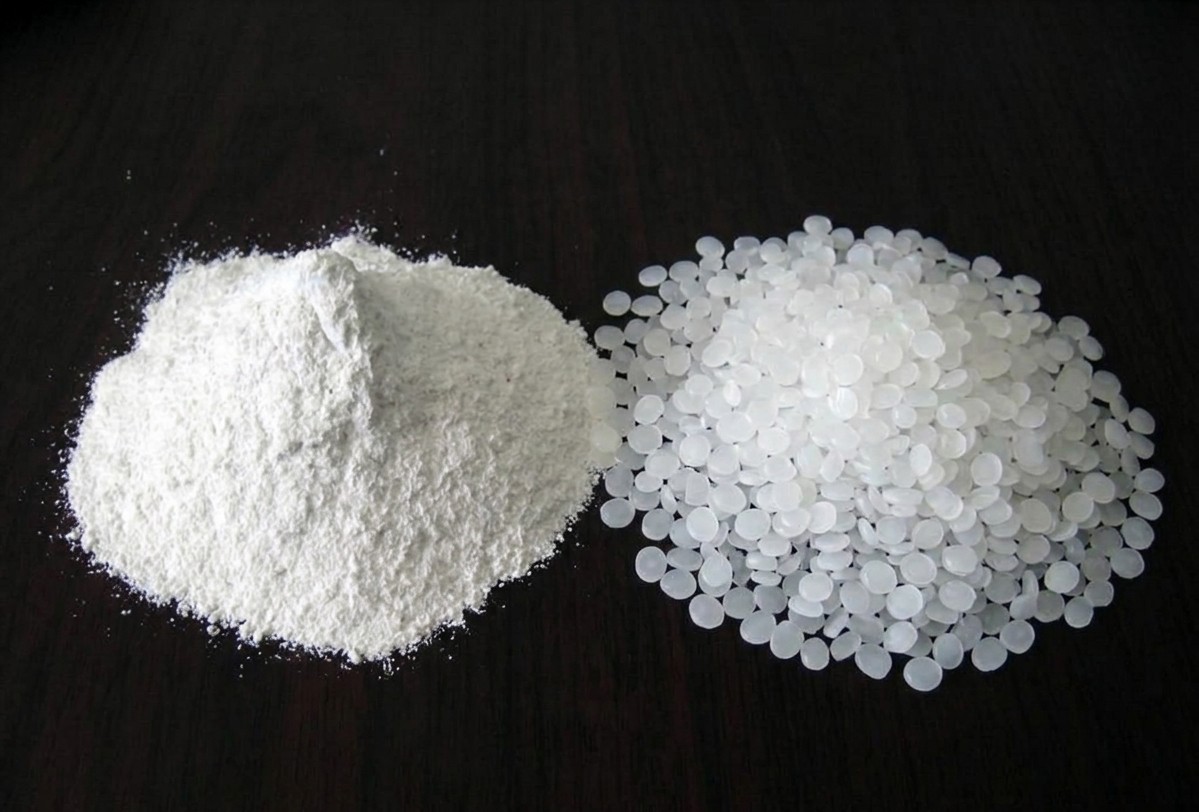
Bead form holds a 52% share of the form segment, reflecting the production floor preference for dust-free, consistently feeding formats over powder in high-speed compounding and film extrusion environments. Bead grades enhance dispersion, reduce processing loss, and improve dosing accuracy in automated systems, advantages that compound into real production efficiency gains at commercial scale. Powder grades maintain relevance in niche compounding and coatings applications where rapid dispersion is the priority over handling convenience.
Asia Pacific leads regional demand with a 34% share, followed by North America at 31% and Europe at 29%. The Asia Pacific leadership reflects both the concentration of flexible packaging film production capacity in China, Southeast Asia, and India, and the continued expansion of polymer processing output across these markets. For oleochemical additives manufacturers based in China, this regional demand distribution represents a structural alignment between production location and primary end-market geography, a supply chain advantage that becomes more significant as global buyers prioritize regional supply security.
Key Growth Drivers Through 2032
Three structural trends are reinforcing erucamide demand across the forecast period. Flexible packaging output continues to grow as rigid packaging formats convert to flexible alternatives, e-commerce packaging volumes expand, and emerging market consumer goods consumption increases. Each of these trends adds film production capacity that requires amide-based additives for slip and anti-blocking performance.
High-performance film formats represent the second growth driver. Multilayer barrier films, medical and hygiene films, and specialty industrial films all require precise slip control, low haze, and stable migration kinetics, performance requirements that reinforce erucamide as the technically preferred option over alternatives with less controlled bloom behavior. Producers investing in specialty film capacity are simultaneously investing in higher-specification additive requirements.
Sustainability and bio-based sourcing is the third trend shaping the market through 2032. Erucamide derived from renewable erucic acid feedstocks is inherently positioned as a bio-based plastic additive, an alignment with circular economy and green chemistry frameworks that is becoming a supplier qualification criterion in European and increasingly Asian markets. Regulatory pressure under EU REACH and equivalent frameworks in other jurisdictions is accelerating this trend, creating a quality and documentation bar that differentiates capable manufacturers from commodity suppliers.
What the Market Trajectory Means for Sourcing Decisions
A category growing at 3.93% CAGR through 2032 with increasing technical requirements and sustainability documentation demands is not well served by the lowest-price commodity source. The market is moving toward suppliers who can demonstrate consistent purity, reliable supply, regulatory compliance documentation, and the technical application support that increasingly complex film and polymer formulations require.
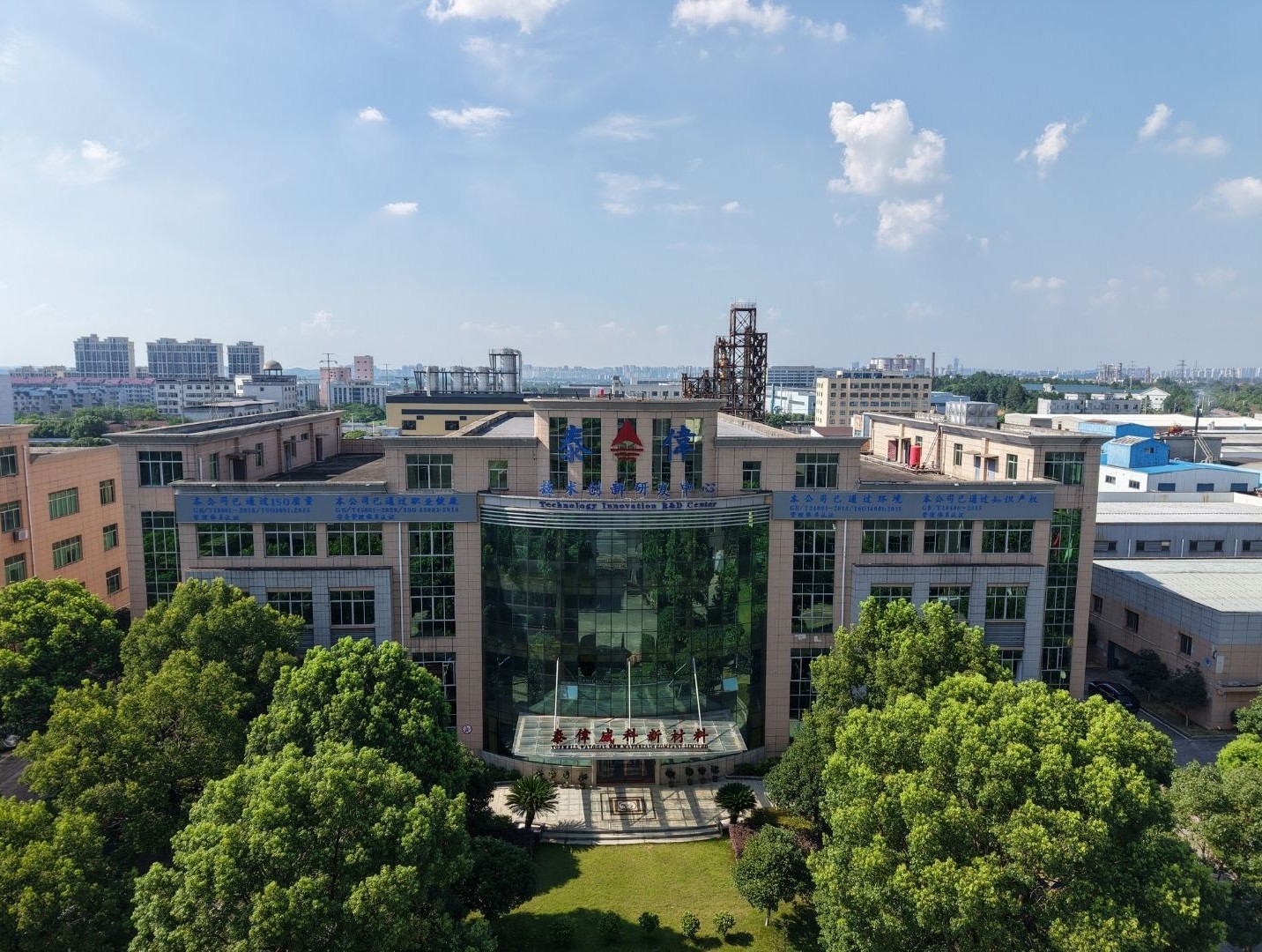
Topwellgoal manufactures high-purity erucamide and a complete range of fatty acid amide and oleochemical additives to active content specifications exceeding 99.5%, supplied with full COA documentation and application support to manufacturers and distributors across Southeast Asia, China, and global markets.
Contact Topwellgoal today to request erucamide product specifications, regulatory documentation, samples, or formulation support for your film or polymer application.