 Chinese
 Italian
 Spain
 French
 German
 Arabic
 Portugese


The Internal Anti-Static Agent That Works From Inside the Polymer Outward
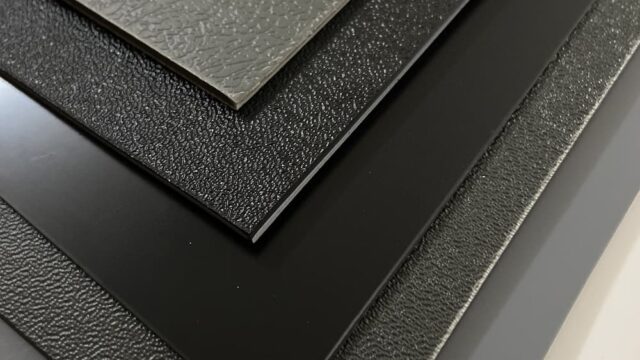
A polypropylene housing that attracts dust within hours of leaving the production line. A polyethylene container that shocks the operator handling it. Molded parts sticking to packaging or to each other during automated assembly. These are not process problems or quality control failures, they are predictable consequences of using materials that are inherently unable to dissipate electrical charge.
PP and PE are excellent insulators, which is often why they are chosen. But that same electrical resistance means that surface charges generated by friction, mold separation, or handling have nowhere to go. They accumulate, and the consequences range from cosmetic contamination to genuine safety hazards in environments handling flammable solvents or powders. The solution is not an external treatment that can be wiped off or worn away. It is an anti static agent compounded into the material itself, migrating to the surface and maintaining a charge-dissipating layer throughout the product’s service life.
Fatty acid amide and related amide-based compounds are among the most effective internal antistatic agents for PP and PE injection molding applications, and understanding the mechanism explains why they work where other approaches fall short.
Why PP and PE Build Static and Why It Persists
The static charge problem in PP and PE is structural. Both polymers are non-polar, hydrophobic insulators with surface resistivity in the range of 10¹⁶ ohms per square, a value so high that any charge deposited on the surface has essentially no conductive path to dissipate through. When a molded part separates from the mold, when parts rub against each other in packaging, or when a finished product is handled repeatedly, electrons transfer between surfaces and accumulate as static charge with no mechanism for relief.
The practical consequences are well documented: dust and particulate contamination attracted to charged surfaces, parts adhering to packaging or to one another during automated handling, electrostatic discharge events that can ignite flammable atmospheres, operator shocks, and performance failures in electronics and cleanroom applications where electrostatic fields are a critical defect. Addressing these outcomes with external antistatic sprays or coatings provides temporary relief but not durable protection, the treatment is removed by the same contact and handling that generates the static problem in the first place.
How Fatty Acid Amide Antistatic Agents Work From the Inside Out
Amide-based additives used as internal antistatic agents operate through a four-stage mechanism that delivers durable, self-replenishing surface protection rather than a temporary surface treatment.
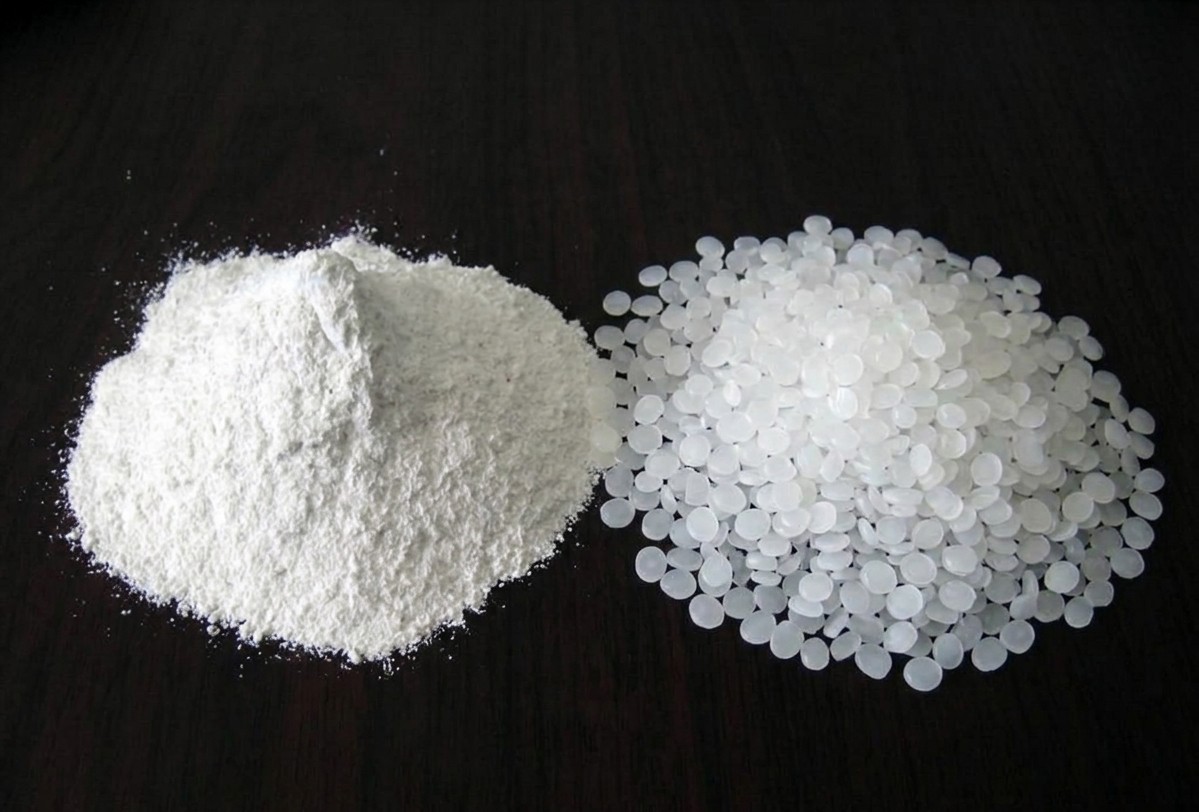
The process begins at compounding. The fatty acid amide is melt-blended into the PP or PE resin, typically via masterbatch, and distributes uniformly through the polymer during injection molding. After the part cools, the amide begins migrating from the bulk polymer toward the surface, the same blooming mechanism that drives slip and release performance in film applications. The migration is driven by the amide’s limited compatibility with the non-polar polymer matrix: the molecules are small enough to move between polymer chains and thermodynamically prefer the surface over remaining buried in the non-polar bulk.
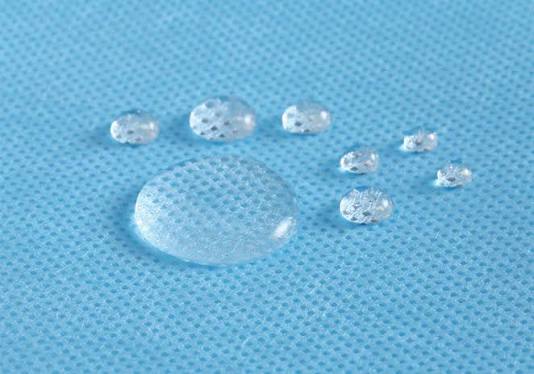
Once at the surface, the amide’s polar head group orients outward, presenting a hydrophilic interface to the surrounding atmosphere. That hydrophilic surface attracts and retains water molecules from the air, forming a thin, continuous moisture film across the part surface. Water, particularly with dissolved ionic species from the amide compound, conducts electricity, and this microscopic conductive film provides the dissipation path that pure PP and PE cannot. Surface resistivity drops from the insulating range of 10¹⁶ ohms per square to the antistatic range of 10⁹ to 10¹¹ ohms per square, a reduction of five to seven orders of magnitude that eliminates the charge accumulation problem at its source.
The self-replenishing nature of this mechanism is what distinguishes internal anti static agent chemistry from topical treatments. As surface amide is displaced by contact or cleaning, fresh molecules migrate from the bulk to restore coverage, maintaining antistatic performance throughout the product’s service life rather than degrading from the point of application.
Formulation Variables That Determine Antistatic Performance
The time required for the antistatic effect to develop depends on several variables that formulators need to account for when specifying oleochemical additives for antistatic applications. Part thickness is the primary factor, thicker sections require longer migration times for amide molecules to reach the surface from the bulk. Storage temperature accelerates migration, so parts stored at elevated temperatures after molding develop antistatic performance faster than those held in cool warehouses. Amide concentration and polymer crystallinity also influence migration rate, with higher crystallinity in the polymer matrix slowing the diffusion of amide molecules between chains.
For applications where antistatic performance is needed immediately after production rather than after a bloom period, formulation strategy may need to account for these variables, either through higher initial amide loading, elevated storage temperature during the development period, or selection of a faster-migrating amide type matched to the specific polymer grade and part geometry in use.
Humidity dependence is the other key variable to manage. Because the antistatic mechanism relies on atmospheric moisture absorption, performance will be lower in very dry environments and higher in humid ones. For applications where controlled surface resistivity is required across varying environmental conditions, this humidity sensitivity is a formulation consideration that affects grade selection and dosage targeting.
Source Antistatic Fatty Acid Amides from a Technically Capable Manufacturer
For injection molders, masterbatch producers, and plastic additives distributors sourcing anti static agent solutions for PP and PE applications, the purity and migration consistency of the fatty acid amide feedstock determines how predictably the antistatic mechanism performs in the finished part. Topwellgoal manufactures and supplies high-purity amide-based additives and oleochemical additives to customers worldwide, with full COA documentation and technical application support for antistatic formulation development.
Contact Topwellgoal today to request product specifications, samples, or formulation guidance for antistatic applications in PP and PE injection molding.