 Chinese
 Italian
 Spain
Spain French
 German
 Arabic
 Portugese
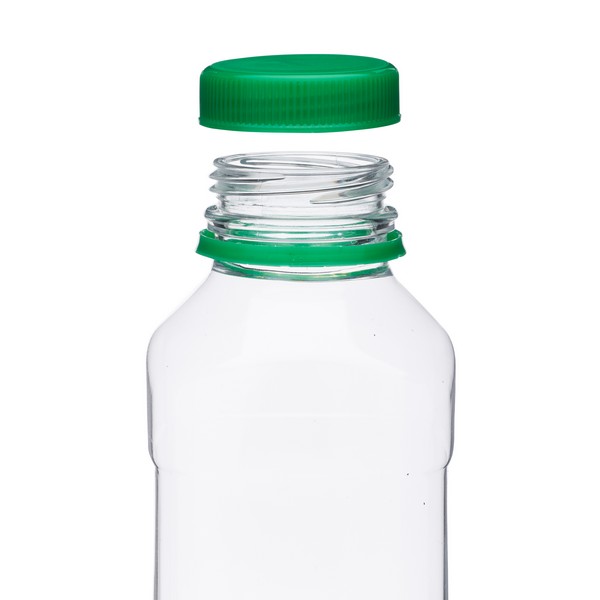
The Force Behind Every Bottle Cap: How Fatty Acid Amides Control Torque Release
A plastic cap that is too tight frustrates the consumer. One that is too loose compromises the seal and risks contamination, spoilage, or leakage in transit. Between those two failure modes sits a precisely managed performance parameter called torque release, and for PP bottle manufacturers and closure formulators, getting it right depends heavily on the plastic additives built into the cap material itself.
Fatty acid amides are the primary chemistry behind torque control in plastic closures. Understanding how they work, which grades to use, and how processing conditions affect their performance is the difference between a cap that passes torque validation on the first submission and one that requires repeated reformulation.
What Torque Release Actually Measures
Torque release is not a single number, it is a relationship between two forces that must be balanced throughout the product's lifecycle. Application torque is the rotational force used to seat the cap during the capping process, creating the seal that prevents leakage and contamination. Removal torque is the force the consumer or downstream user must apply to open it, which must be low enough for the intended user to manage comfortably and reliably.
The challenge for plastic cap manufacturers is that these two values are correlated, not independently controllable. A cap applied too tightly may exceed acceptable removal torque. One applied too loosely may not seal adequately. The relationship also changes over time: plastic materials relax after capping, and temperature exposure during storage and distribution shifts the torque balance further. Studies have shown that PP caps can experience nearly 22% torque loss under elevated temperature conditions, a variation that can take a compliant cap outside specification without any change to the formulation or process.
Industry standards including ASTM D2063, ASTM D3469, and CETIE Guide 5 provide the measurement framework manufacturers use to validate torque performance across these real-world variables. Meeting those standards consistently requires a formulation that delivers stable, predictable friction reduction, which is exactly what fatty acid amides are engineered to provide.
How Fatty Acid Amides Reduce Friction in Plastic Closures
The functional mechanism is straightforward. Plastic additives based on fatty acid amide chemistry reduce friction at two critical interfaces: between the cap and the bottle neck thread during application and removal, and between the polymer chains within the cap material itself during processing.
At the surface level, the slip agent migrates to the cap's contact surfaces after molding, forming a thin lubricating layer that lowers the coefficient of friction (COF) at the thread interface. This reduces the force required to apply and remove the cap without compromising the mechanical integrity of the seal. At the processing level, internal lubrication from certain amide types, particularly fatty bisamides like EBS, reduces melt viscosity and improves flow through the mold, contributing to more consistent part geometry and more uniform additive distribution throughout the cap.
Dosage precision is critical. Fatty acid amides in plastic cap formulations are typically incorporated at very low concentrations via masterbatch, and the margin between effective slip and over-lubrication is narrow. Too little additive leaves friction uncontrolled and torque inconsistent. Too much can reduce seal integrity, affect tamper-evident bridge performance, or create surface conditions that interfere with labeling adhesion.
Selecting the Right Grade for Cap Applications
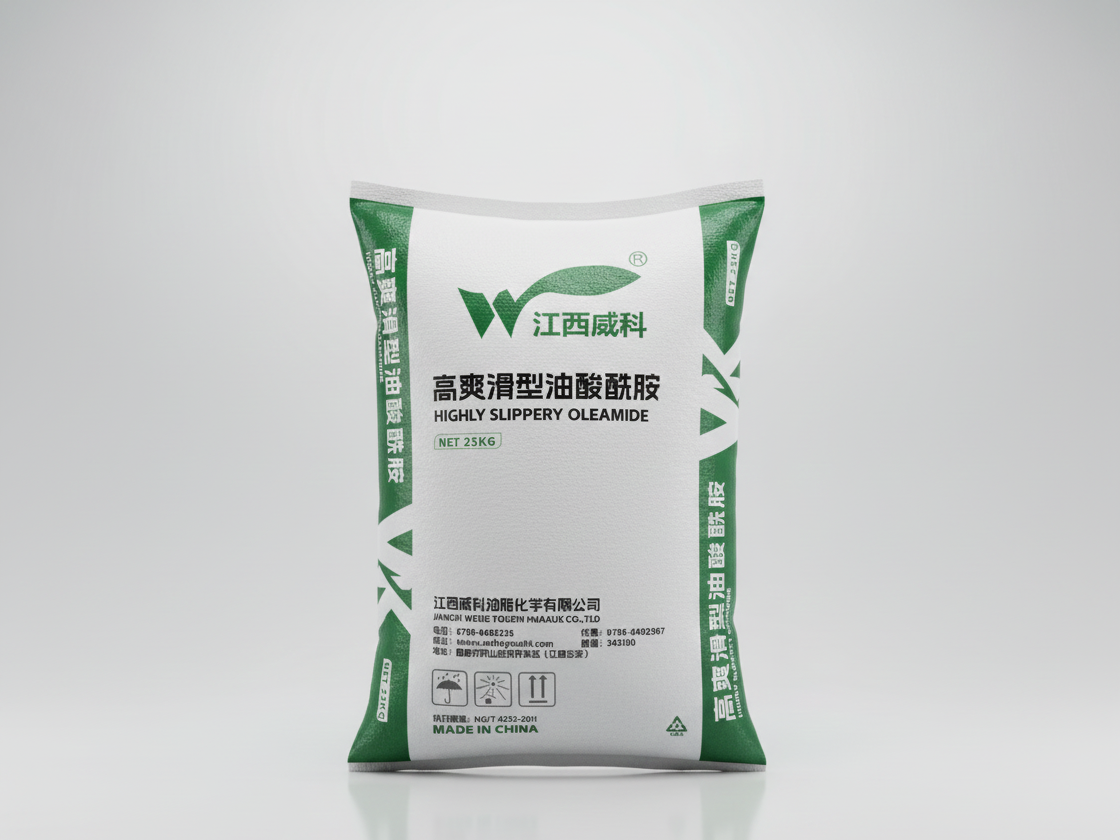
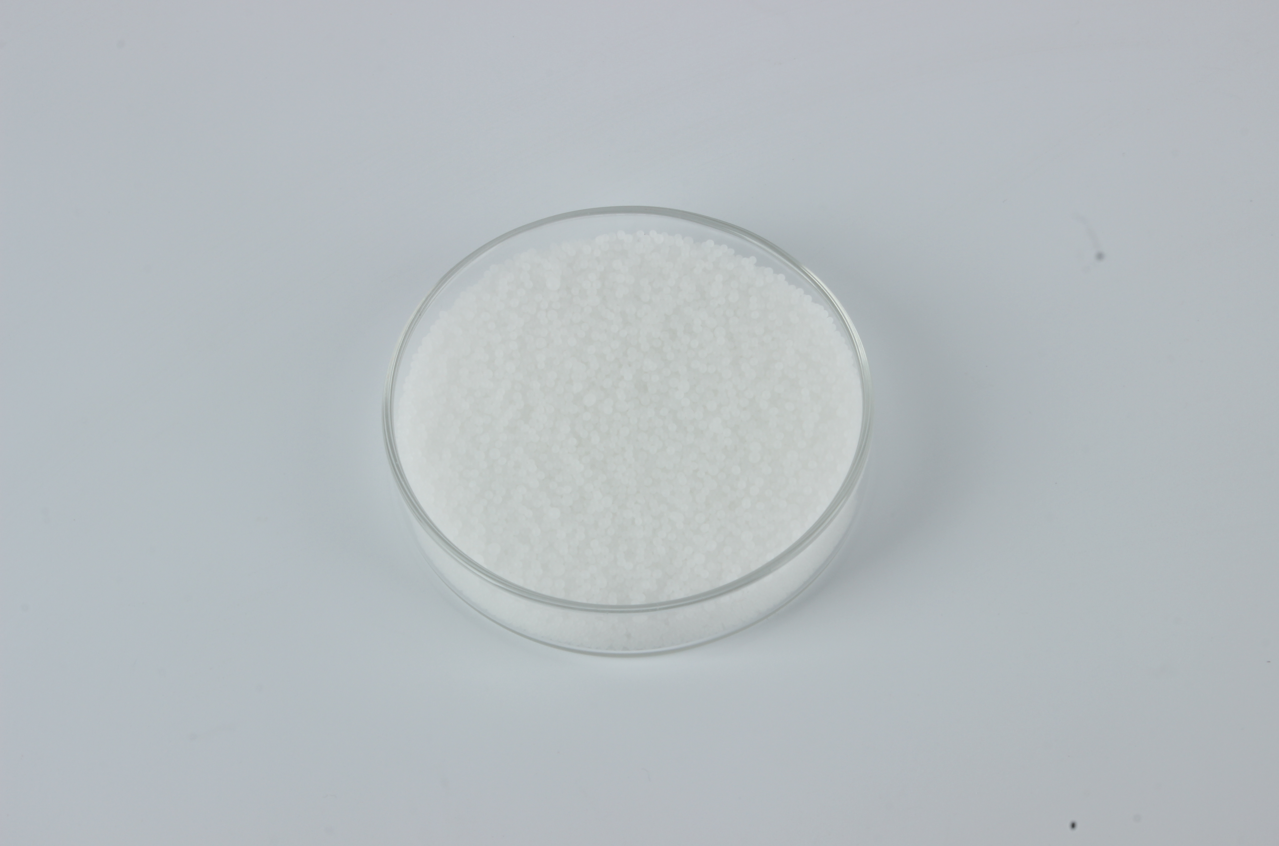
Not all fatty acid amide grades are appropriate for torque release applications, particularly where food contact, low odor, or pharmaceutical compliance is required. Erucamide is widely used in plastic cap formulations for its thermal stability and controlled migration behavior, both important in PP closures that are processed at elevated temperatures and may be exposed to heat during pasteurization or hot-fill operations. Oleamide offers faster initial slip development and suits applications where immediate COF reduction after molding is the priority.
For carbonated soft drink closures, bottled water caps, and pharmaceutical packaging, the purity of the high-purity grade slip agent becomes a direct compliance variable. Impurities in lower-grade fatty acid amides can contribute to off-odors, affect migration levels into the packaged product, or create inconsistency in the additive's migration behavior, any of which can disrupt torque performance or trigger regulatory non-compliance in food and pharmaceutical markets.
Temperature stability across the supply chain is the final variable PP bottle manufacturers need to account for. A plastic additive that performs well at controlled warehouse temperatures but shifts behavior under summer shipping conditions, or in markets with less controlled cold chain infrastructure, introduces torque variability that cannot be managed at the formulation stage alone.
Partner with a Supplier Who Understands Closure Chemistry
Topwellgoal manufactures and supplies high-purity grade slip agents and fatty acid amides, including erucamide, oleamide, stearamide, and EBS, to closure manufacturers, masterbatch producers, and plastic additives distributors worldwide. Our products are produced under strict quality control systems with full COA documentation, and our technical team supports customers from additive selection through formulation validation and regulatory documentation for food-contact applications.
Contact Topwellgoal today to request product specifications, samples, or technical support for your plastic cap or closure formulation.