 Chinese
 Italian
 Spain
Spain French
 German
 Arabic
 Portugese
What Makes an Automotive Dashboard Scratch-Resistant? The Answer Is in the Additives
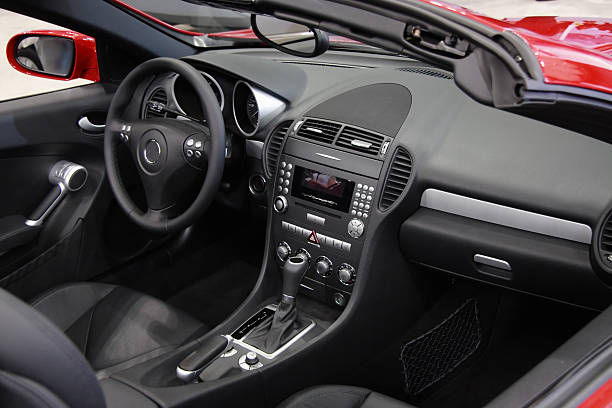
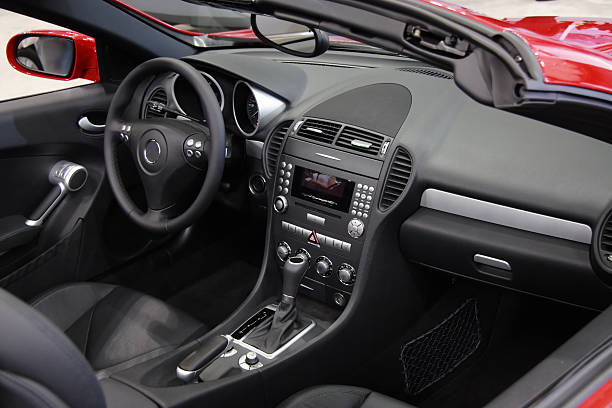
Automotive interior parts are among the most demanding applications in plastic injection molding, not because of what they need to survive inside the mold, but because of what they need to withstand after they leave it. An automotive dashboard must eject cleanly from a complex, high-precision mold at production speed, arrive with a flawless surface finish, and then resist years of fingernails, keys, cleaning products, and UV exposure without visible scratching or degradation. Solving the manufacturing problem and the end-use performance problem simultaneously is where fatty acid amide plastic additives earn their place in the formulation.
The mechanism behind both functions is the same: these high-purity grade additives migrate to the surface of the molded part, forming an ultra-thin lubricating film that reduces friction at the mold interface during processing and at the part surface during service life. One additive, two critical outcomes.
The Mold Release Problem in Dashboard Production
Automotive dashboards are predominantly molded from polypropylene (PP) and polyolefin blends, materials that, without appropriate lubrication, resist clean ejection from complex mold geometries. Sticking, scuffing, surface whitening, and part deformation during ejection are not just quality problems; they are throughput problems. Every forced ejection risks mold damage, part rejection, and unplanned downtime.
Fatty acid amides function as highly effective mold release agents by creating a low-friction interface between the polymer melt and the metal mold surface, reducing adhesion forces and allowing the finished part to eject smoothly without mechanical stress. The throughput impact is measurable: documented case studies show that adding 0.5% of a fatty amide blend to a PP component reduced injection molding cycle time from 55 seconds to 44 seconds, a 20% improvement, increasing hourly output from 17 to 82 shots. At production volumes typical of automotive interior parts manufacturing, that improvement compounds significantly across a shift.
Beyond cycle time, effective mold release also reduces mold wear and cleaning frequency, extending tooling service life and reducing maintenance costs that are often invisible in additive cost calculations but very visible in total production economics.
The Anti-Scratch Requirement That Never Goes Away
Once the part is out of the mold, the performance requirement shifts entirely. Automotive dashboard surfaces are high-touch, high-visibility components that must maintain their appearance through years of daily contact. The standard for scratch resistance in this application is not cosmetic preference, it is a specification with measurable thresholds that parts must meet at initial production and retain after accelerated aging.
Fatty acid amides address this as anti scratch agents through the same surface migration mechanism that aids mold release. The lubricating monolayer on the part surface reduces the coefficient of friction (COF), which means that when a hard object contacts the surface, a fingernail, a key, a cleaning cloth, the low-friction layer allows microscopic elastic deformation that absorbs and disperses the contact energy rather than translating it into a permanent scratch. Patent-documented performance data indicates that PP parts formulated with specific fatty amide additives showed scratch resistance improved to one-quarter or less of the scratch width and depth compared to unmodified parts after two weeks of aging at 95°C, conditions designed to simulate real-world service exposure.
Selecting the Right Additive for Dashboard Applications
Different fatty acid amide types bring different performance profiles to automotive interior parts formulations, and selection depends on processing temperature, surface performance targets, and polymer system.
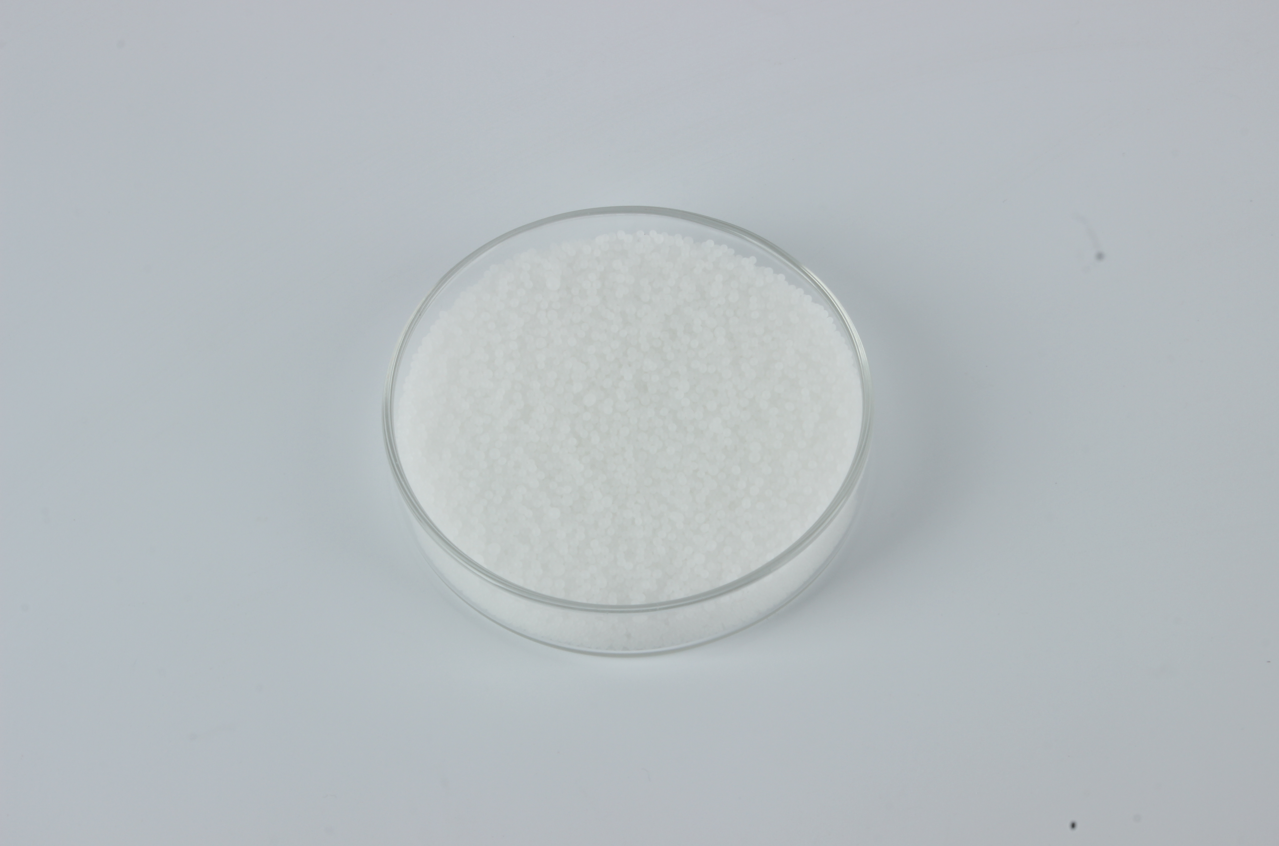
Oleamide is a widely used general-purpose mold release agent and anti scratch agent in PP injection molding, recommended at 0.2% to 1.0%, with fast migration that delivers immediate surface effect. Erucamide is preferred for higher-temperature processing environments due to its lower volatility and more controlled bloom behavior. Stearamide offers reliable surface migration with good compatibility across PP and PE systems, recommended at 0.5% to 1.0%, and is particularly valued as an internal mold release agent in engineering plastic formulations.
EBS (Ethylene Bis-Stearamide) functions as both an internal and external lubricant across ABS, PP, and PA systems, improving mold release, dispersing fillers and pigments uniformly, and contributing a characteristic silk-like surface feel without tackiness. Recommended at 0.2% to 1.5% depending on resin and application, EBS is one of the most versatile plastic additives in the automotive compounder's toolkit. PETS-4 (Pentaerythritol Tetrastearate) rounds out the portfolio for high-temperature engineering plastic applications including PC/ABS, PET, and PBT, where thermal stability and low volatility under processing conditions are the primary selection criteria.
Partner with a Supplier Who Understands Automotive Formulation
For compounders, masterbatch producers, and plastic additives distributors serving the automotive sector, additive consistency is non-negotiable. Batch-to-batch variation in active content, migration behavior, or thermal stability creates surface performance variability that shows up in finished parts, and in customer complaints.
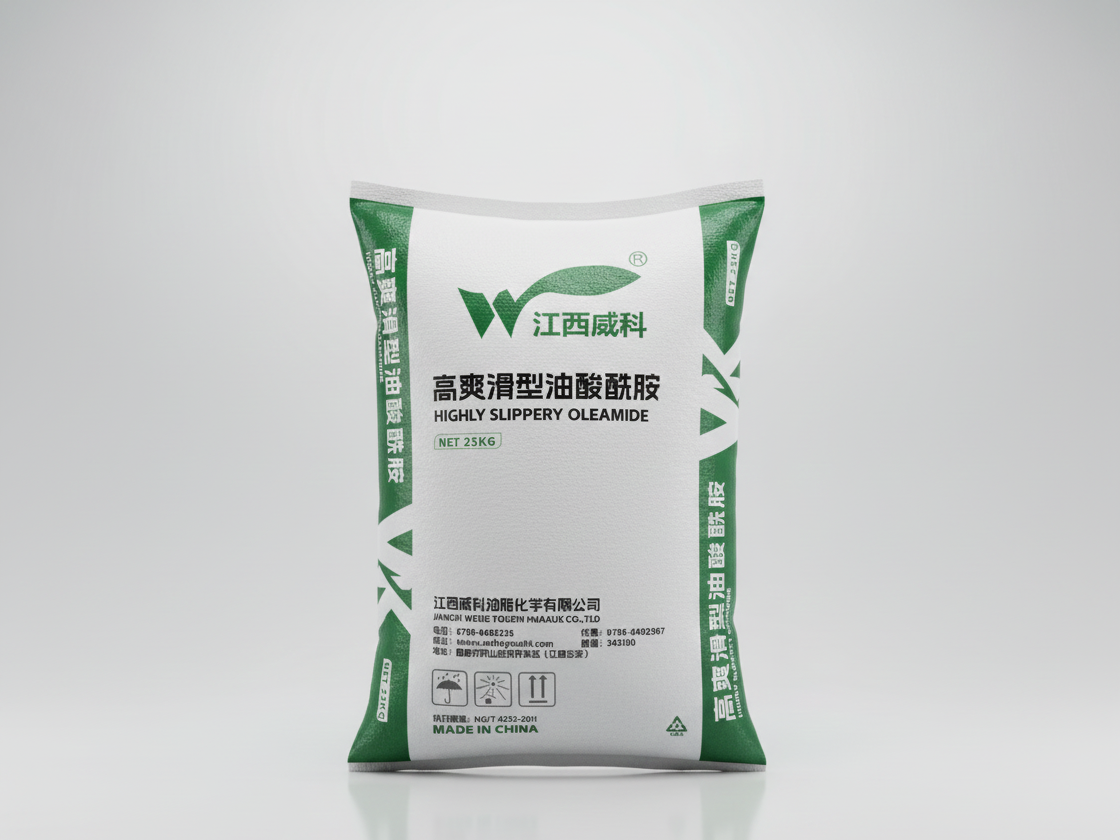
Topwellgoal manufactures and supplies high-purity grade additives including oleamide, erucamide, stearamide, EBS, and PETS-4 to automotive plastic formulators and distributors worldwide, backed by full COA documentation and technical application support across injection molding and compounding processes.
Contact Topwellgoal today to request product specifications, samples, or formulation guidance for your automotive interior application.