 Chinese
 Italian
 Spain
Spain French
 German
 Arabic
 Portugese
Bloom, Dust, Defects: Troubleshooting Erucamide in PBAT/PLA Films
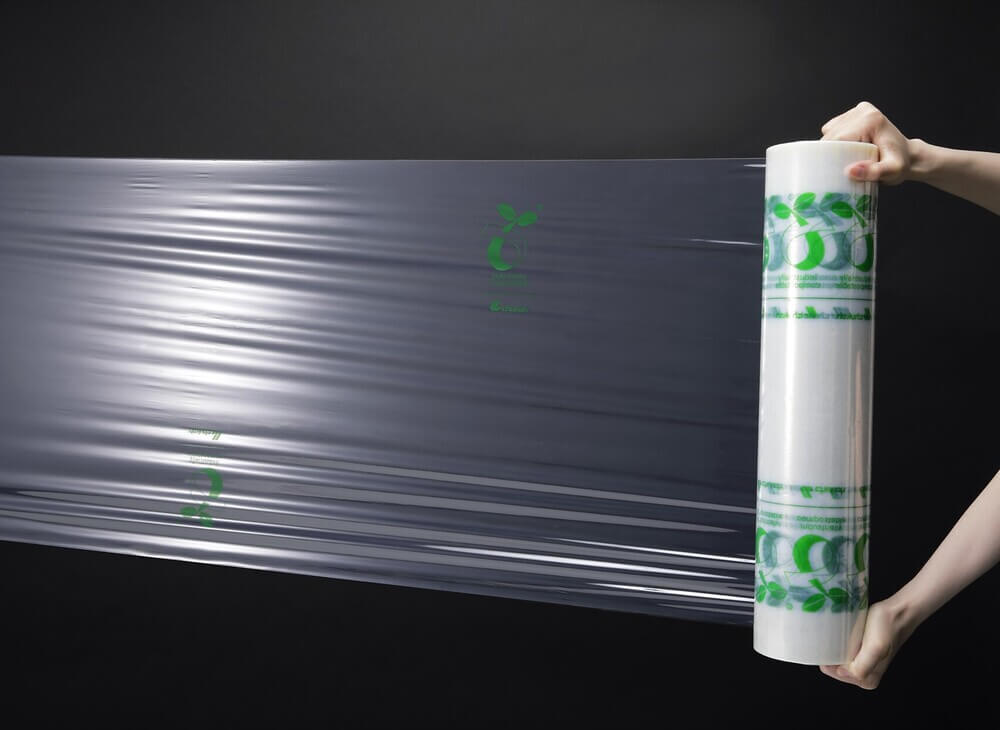
A white powdery layer appearing on biodegradable film during or after blown film extrusion is one of those production problems that looks simple but rarely has a single cause. Most formulators reach the right conclusion, erucamide blooming, but stop the diagnosis there. The fuller picture matters, because the same visible symptom can be driven by overdose, incompatible blend components, incorrect processing temperature, or inadequate drying. Treating the wrong cause wastes time and leaves the root problem intact.
What Erucamide Blooming Actually Is
Erucamide functions as a slip agent by exploiting its limited compatibility with the polymer matrix. After extrusion, erucamide molecules migrate from the bulk to the film surface, a controlled process called blooming, where they form a thin lubricating layer that reduces COF and prevents film layers from sticking together.
The problem begins when that migration becomes uncontrolled. Too much erucamide in the formulation, too high a processing temperature, or too slow a cooling rate all push migration beyond the invisible, functional surface layer and into visible precipitation, the white dust that signals the system is out of balance. Beyond aesthetics, the consequences are practical: reduced printability after corona treatment, inconsistent surface energy, and adhesion failures in lamination or coating applications.
Formulation Factors Beyond Dosage
Overdose is the most common cause of erucamide precipitation, but it is not the only one worth investigating in biodegradable film formulations. PBAT, PLA, starch, and other bio-based blend components introduce compatibilization challenges that standard polyolefin formulations do not face. When these components are poorly matched or insufficiently dispersed, low-molecular-weight additives, including erucamide, tend to phase-separate and migrate to the surface faster and in greater quantities than the dosage alone would predict.
The interaction between erucamide and PBAT/PLA blends is particularly worth scrutinizing. The polar character of PLA creates a different compatibility environment than the non-polar polyolefins erucamide was originally engineered for. This mismatch can accelerate surface migration even at dosages that would perform well in a standard PE or PP system. If you have recently switched resin suppliers, adjusted blend ratios, or changed masterbatch carriers, the erucamide dosage from your previous formulation may no longer be appropriate.
Processing Conditions as a Trigger
Processing temperature has a direct and often underestimated influence on erucamide migration rate. Running the extruder or die at temperatures above what the formulation requires accelerates molecular mobility in the melt, including the mobility of plastic additives like erucamide. The result is faster, more aggressive blooming that the cooling zone cannot adequately counteract before the film sets.
The fix is not always lowering temperature. Cooling rate matters equally: if the melt remains above the crystallization threshold for too long, erucamide has more time to migrate before the polymer structure locks it in place. Increasing haul-off speed or adjusting air ring settings to improve cooling can sometimes reduce surface precipitation without changing the formulation at all.
Drying discipline is the third processing variable that formulators underestimate in biodegradable applications. PBAT and PLA are hygroscopic, they absorb moisture from the atmosphere and, if not adequately dried before extrusion, generate defects that either resemble erucamide precipitation or exacerbate it by disrupting uniform additive dispersion in the melt. Always verify drying conditions against resin supplier recommendations before concluding the additive system is the problem.
Choosing the Right Grade of Erucamide
Not all erucamide performs the same way in biodegradable film applications. Standard grades designed for polyolefin films may bloom more aggressively than a PBAT/PLA blend system can accommodate. High-purity grade erucamide with controlled particle size and consistent active content gives formulators a more predictable migration profile, reducing the risk of surface precipitation while maintaining the slip performance the film requires.
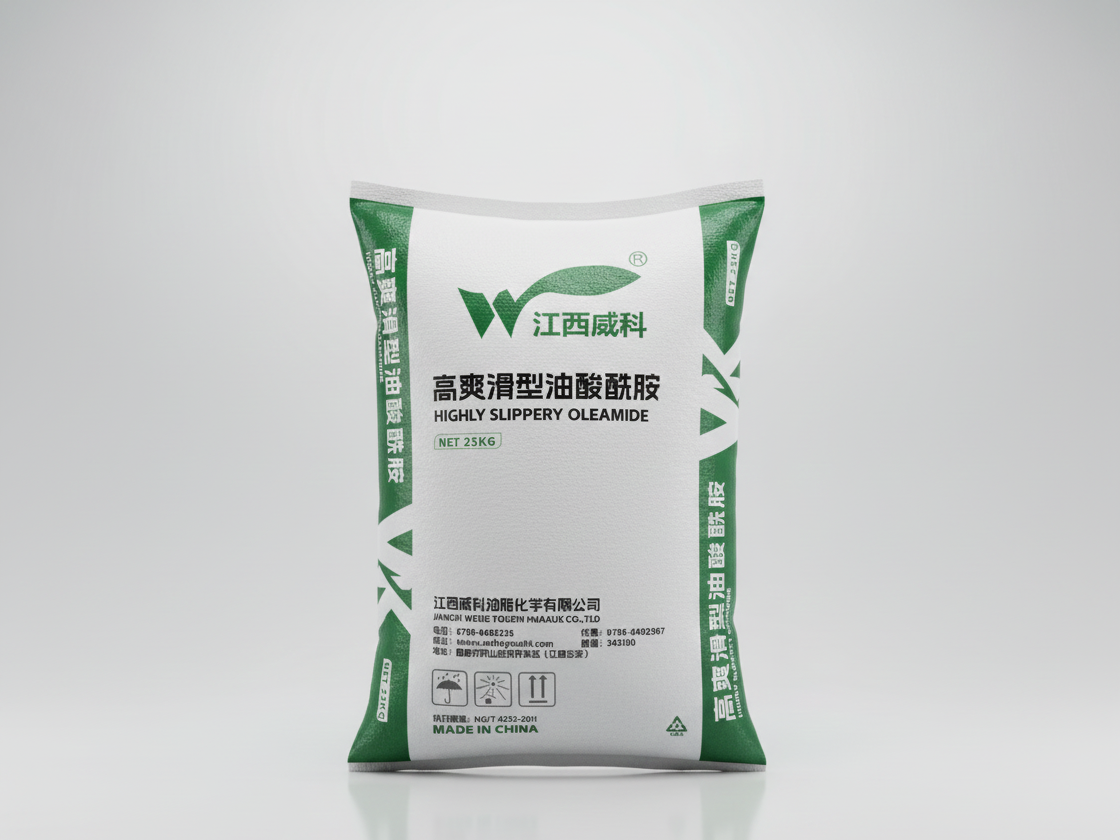
As a technically experienced chemical manufacturer in oleochemical additives, Topwellgoal supplies high-purity grade erucamide with active content exceeding 99.5%, supported by full COA documentation including acid value, iodine value, moisture content, and melting point. Our technical team works directly with formulators to match erucamide grade and dosage to the specific resin system, blend composition, and processing conditions in use.
Contact Topwellgoal today to request erucamide samples, technical data sheets, or formulation support for your biodegradable film application.