 Chinese
 Italian
 Spain
Spain French
 German
 Arabic
 Portugese
Color Is the First Signal. Purity Is the Real Standard.
Color Is the First Signal. Purity Is the Real Standard.
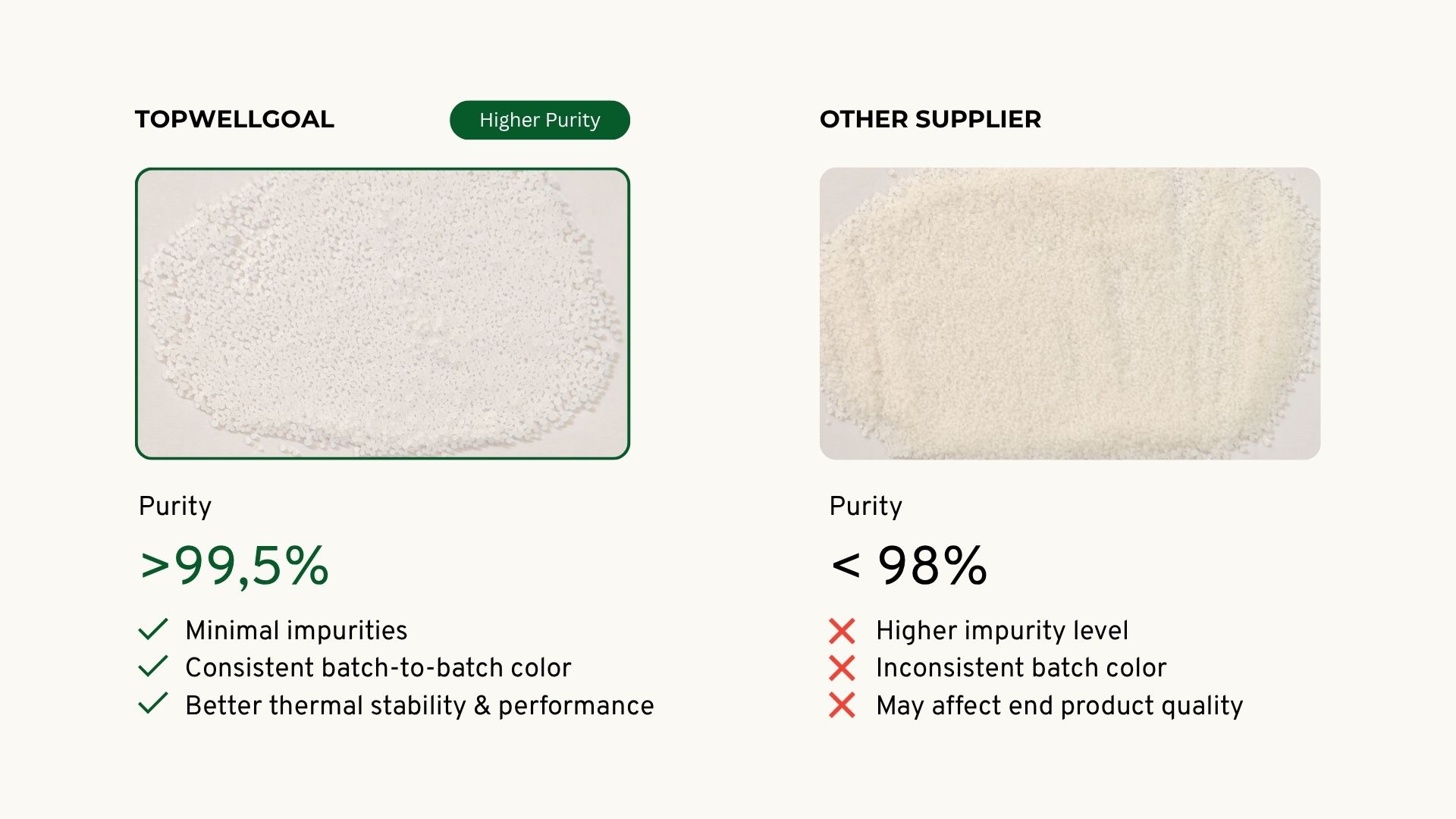
When a bag of oleochemical additives arrives at your compounding facility, most experienced formulators do the same thing before reaching for the COA, they look at the color. A bright, clean white signals a refined product. An off-white, yellowish, or grey-tinted material raises questions before a single test is run. This instinct is directionally correct, but it only tells part of the story.
Color is a useful proxy for purity in fatty acid amides like oleamide. It is not, however, a guarantee of performance. Understanding the difference between what color signals and what it cannot tell you is the foundation of sound additive sourcing, and it starts with knowing what impurities actually do to your product.
Why Color Reflects Purity, Up to a Point
In oleamide, a whiter appearance typically indicates a more thoroughly refined product. During manufacturing, incomplete reaction, residual feedstock components, and oxidative byproducts can all introduce chromophores, color-forming chemical structures, into the final material. A yellowed or discolored plastic additive is often carrying those impurities with it.
The practical consequence is not just aesthetic. Impurities in fatty acid amides are variable by nature, their type and concentration shift between batches depending on raw material quality and process control. That variability is what makes a lower-purity oleamide unreliable in use. When the impurity profile changes, the migration behavior changes, the COF outcome shifts, and the formulator is left chasing consistency without a clear cause.
A whiter oleamide is more likely to perform predictably because it has fewer variable components interfering with its primary function: migrating to the polymer surface to form a lubricating layer that reduces friction. Fewer impurities mean more consistent bloom behavior, more stable COF results, and fewer batch-to-batch surprises in film or masterbatch production.
But color alone cannot confirm thermal stability, moisture content, or reactivity. An oleamide can appear visually acceptable while carrying an elevated acid value that affects processing behavior, or a moisture level that causes foaming during extrusion. Color is the first signal. It is not the complete answer.
What a Proper Purity Evaluation Actually Looks Like
Sourcing high-purity plastic additives responsibly means reading beyond the visual impression and into the full Certificate of Analysis. For oleamide and other fatty acid amides, the parameters that matter are specific and measurable.
Color, expressed on a Gardner or APHA scale, quantifies what the eye approximates. Purity, the active ingredient content, tells you how much of what you are paying for is actually present in the material. Acid value indicates the level of unreacted fatty acid remaining from synthesis, which can affect both processing stability and migration behavior. Iodine value reflects the degree of unsaturation and confirms the feedstock fatty acid profile. Moisture content matters for processing, particularly in high-temperature environments where water becomes a source of foaming or hydrolysis. Melting point confirms the product's thermal identity and helps predict how it will behave during compounding.
No single parameter captures quality in isolation. A low color score with a high acid value is not a high-purity product, it is a partially refined one that will create problems downstream. The COA is the specification, and every parameter in it carries weight.
Topwellgoal's Purity Standard: Where the Specification Meets the Process
Topwellgoal's oleamide consistently achieves an active ingredient content exceeding 99.5% purity a specification that reflects not just a quality target but a manufacturing discipline built around precise reaction control, thorough purification, and rigorous incoming and outgoing quality checks at every production stage.
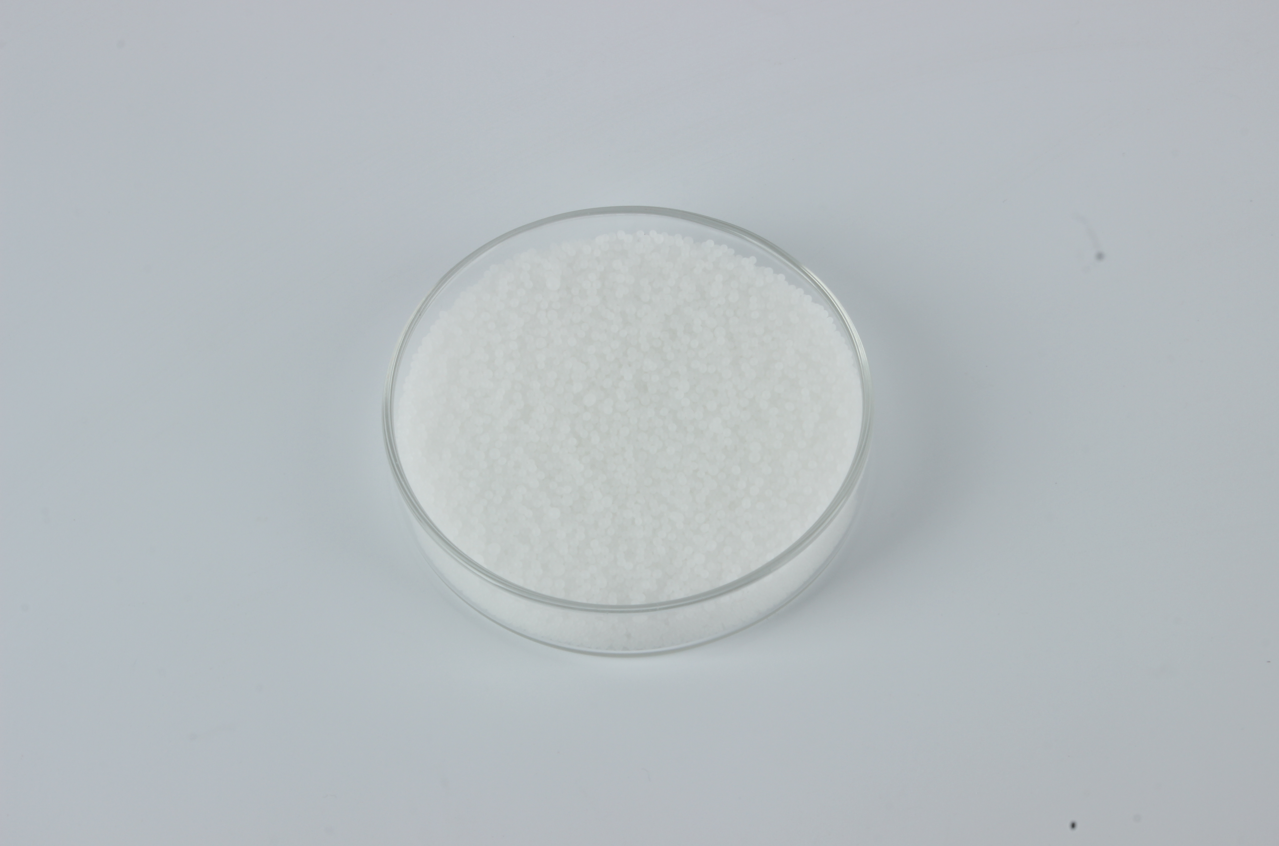
That level of high-purity performance in an oleochemical additive is not achieved through tighter testing alone. It requires control upstream: feedstock selection, reaction completeness, distillation efficiency, and the absence of shortcuts in the purification process. The color you see in Topwellgoal's oleamide, consistently bright white, is the visible result of a production process engineered to minimize impurities at the source, not mask them after the fact.
The same manufacturing philosophy extends across Topwellgoal's full range of polymer additives, including erucamide, stearamide, behenamide, EBS, EBO, and EBH. Each product is produced under ISO 9001-certified quality systems with full COA documentation available, including all the parameters that actually matter for application performance.
The Standard Your Formulation Deserves
For manufacturers, compounders, and distributors worldwide sourcing fatty acid amides and plastic additives for film, masterbatch, rubber, or specialty compound applications, purity consistency is not a premium feature, it is a baseline requirement. Variable quality in the additive feedstock creates variable outcomes in the finished product, and those outcomes are rarely caught until they cost something.
Contact Topwellgoal today to request a full COA, product samples, or a technical consultation, and see what consistently high-purity oleochemical additives look like in practice.