 Chinese
 Italian
 Spain
Spain French
 German
 Arabic
 Portugese
Why Your Film Sticks, And How Slip Masterbatches Fix It
Friction kills productivity on film lines. When polyolefin films cling to machine rollers, resist opening at the point of use, or block against themselves on the roll, the consequences are immediate and expensive, winding defects, converting failures, line stoppages, and customer complaints. The fix is not a mechanical adjustment. It is a chemistry decision made at the formulation stage, built around the right slip masterbatch and the fatty acid amides inside it.
The Migration Mechanism: Why Incompatibility Is the Point
The performance of a slip agent in film applications depends entirely on a process called surface migration, and understanding it reframes how formulators should think about additive selection.
During masterbatch compounding or film extrusion, the fatty acid amide disperses uniformly through the polymer melt at processing temperature. As the film cools and the polymer crystallizes, amide molecules, which have deliberately limited compatibility with the ordered crystalline structure forming around them, are gradually expelled from the bulk material and pushed toward the film surface. Once there, they form a thin, wax-like lubricating layer that measurably reduces the coefficient of friction (COF), preventing the film from adhering to itself, to adjacent layers on the roll, or to machine contact surfaces.
The incompatibility between the oleochemical additive and the polymer matrix is not a formulation problem to engineer around. It is the mechanism that makes the system work. Getting that balance right, compatible enough to disperse uniformly, incompatible enough to bloom reliably, is where additive selection and masterbatch quality become decisive.
Oleamide, Erucamide, Stearamide: Choosing the Right Slip Agent
The three primary fatty acid amides used in slip masterbatch formulations each have distinct migration behavior and thermal characteristics that make them suited to different film applications.
Oleamide (C18, monounsaturated) is defined by fast bloom. It migrates rapidly to the film surface and delivers immediate slip, an advantage in LDPE packaging films and high-speed bag-making operations where quick COF reduction is the priority. The limitation is thermal stability: at elevated processing temperatures, oleamide can volatilize or degrade, making it less reliable in high-temperature extrusion environments.
Erucamide (C22, monounsaturated) is the industry standard for demanding applications. Its longer carbon chain means slower, more controlled surface migration, but the ultimate COF it achieves is lower than oleamide, and its thermal stability is significantly superior. For LLDPE, metallocene PE, CPP, and BOPP film applications, where consistent long-term slip performance, optical clarity, and high-temperature processing stability are all required, erucamide is the formulator's default choice.
Stearamide (C18, saturated) behaves differently from the unsaturated amides due to its distinct polarity and crystallization behavior. It functions less as a primary slip agent and more as a mold release aid or anti-block contributor, typically appearing in combination formulations rather than as a standalone slip solution.
Where Slip Masterbatches Are Used, and What Else They Need
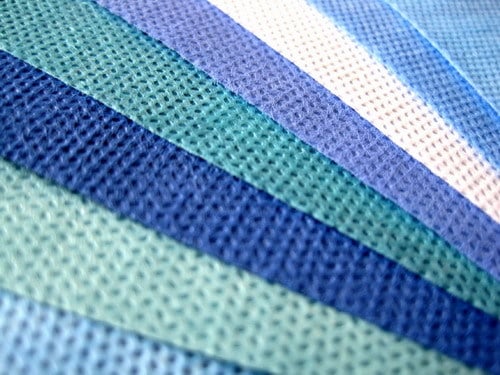
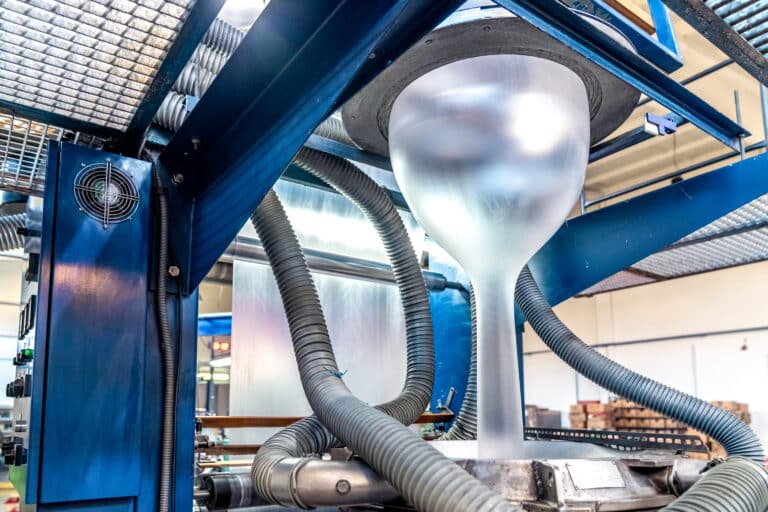
Slip masterbatches built on fatty acid amide chemistry are used across the full range of polyolefin film production: blown film and cast film extrusion, PE and PP substrates including CPP, BOPP, CPE, and metallocene-based films. End markets span food packaging for snacks and baked goods, personal care film for diapers and tissue overwrap, industrial heavy-duty bags, and agricultural films, anywhere film-to-film or film-to-equipment friction creates a processing or end-use problem.
In practice, slip masterbatches are almost never formulated in isolation. They work in combination with anti-block masterbatches containing diatomaceous earth, precipitated silica, or talc. The distinction matters: slip agents reduce friction through surface lubrication, while anti-block agents prevent layer-to-layer adhesion by creating microscopic surface roughness. These are complementary mechanisms addressing different failure modes, and well-performing film formulations use both, calibrated to the specific application and converting process.
Dosage control is equally critical. Effective plastic additive concentration in the final film is measured in parts per million, with masterbatch addition rates typically ranging from 0.5% to 5% of total resin weight. Overdosing creates a different set of problems: surface dyne level drop that compromises ink adhesion for printing, contamination of the heat seal zone that reduces seal strength, weakened lamination bond strength, and roll winding instability from excessive slip developing too quickly. More is not better, precision is.
Partner with a Supplier Who Understands the Formulation
For masterbatch producers, film manufacturers, and polymer additives distributors across Southeast Asia and China, the consistency of the fatty acid amide feedstock is what makes or breaks downstream formulation reliability. Batch-to-batch variation in purity or amide content creates COF inconsistency that is difficult to diagnose and commercially damaging to explain.
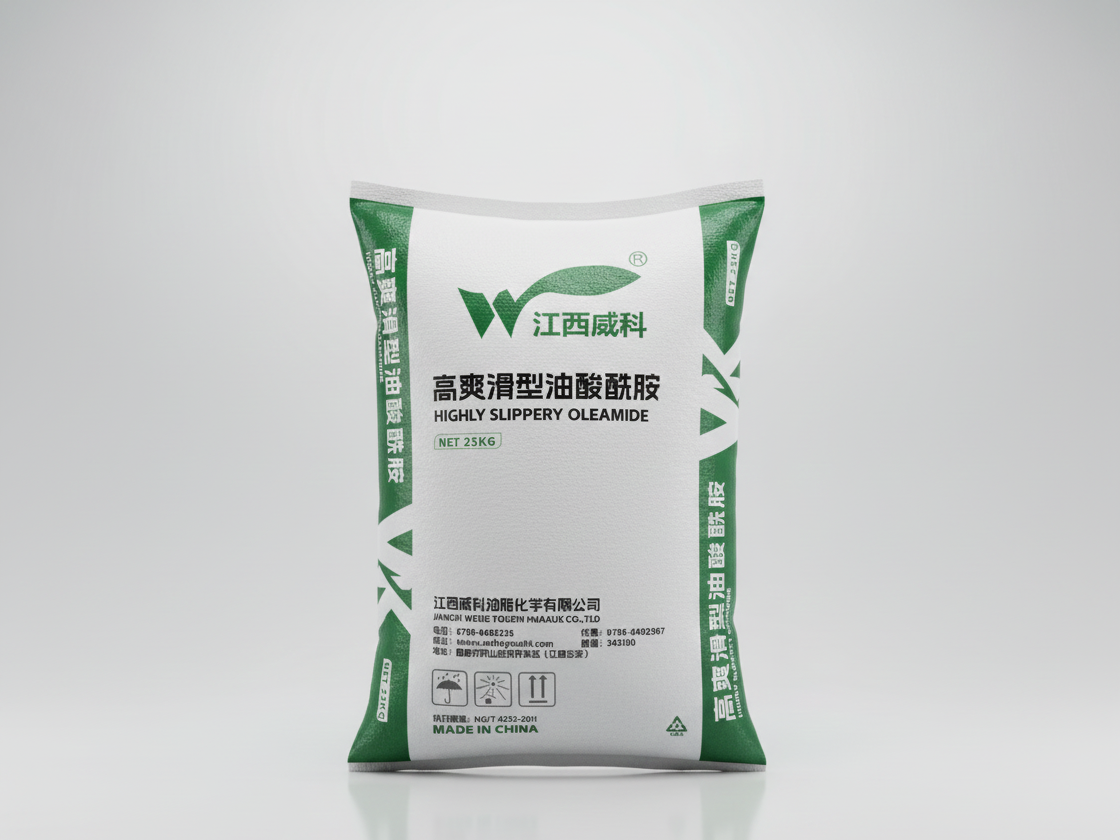
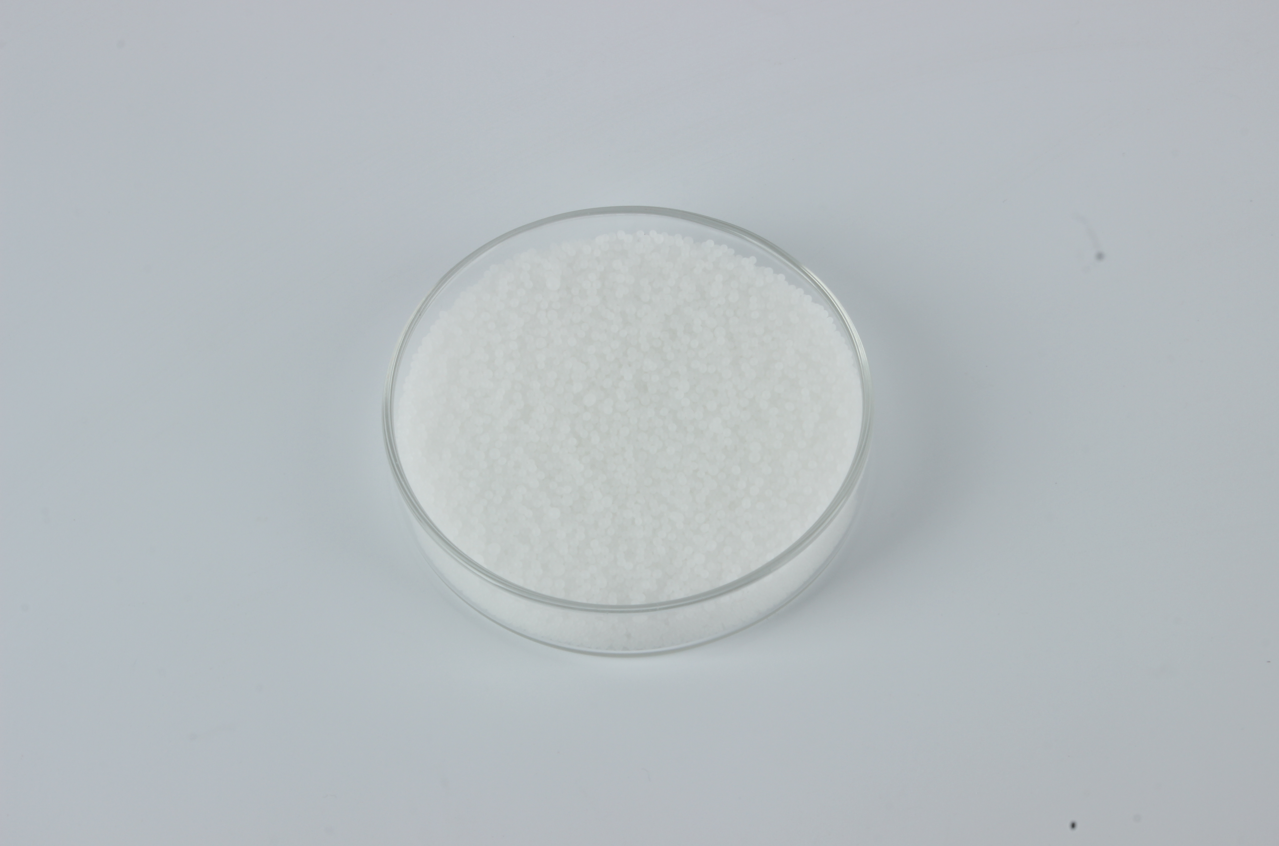
Topwellgoal manufactures high-purity erucamide, oleamide, stearamide, and a complete range of oleochemical additives under strict quality control systems, with consistent specifications designed for demanding slip masterbatch and film applications.
Contact Topwellgoal today to request technical data sheets, product samples, or formulation support.