 Chinese
 Italian
 Spain
Spain French
 German
 Arabic
 Portugese
Why Fatty Acid Amides Are Essential in Modern Packaging
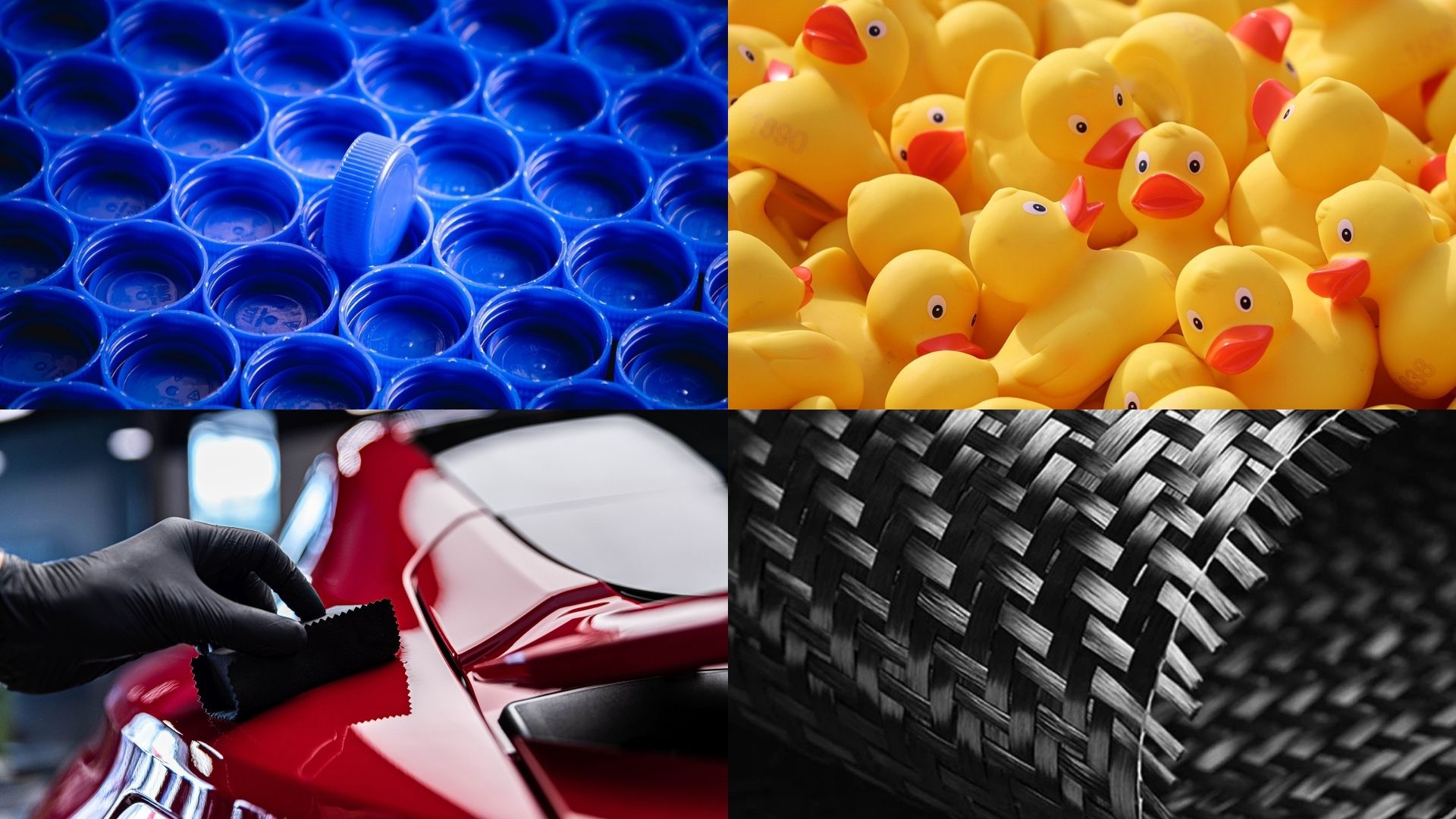
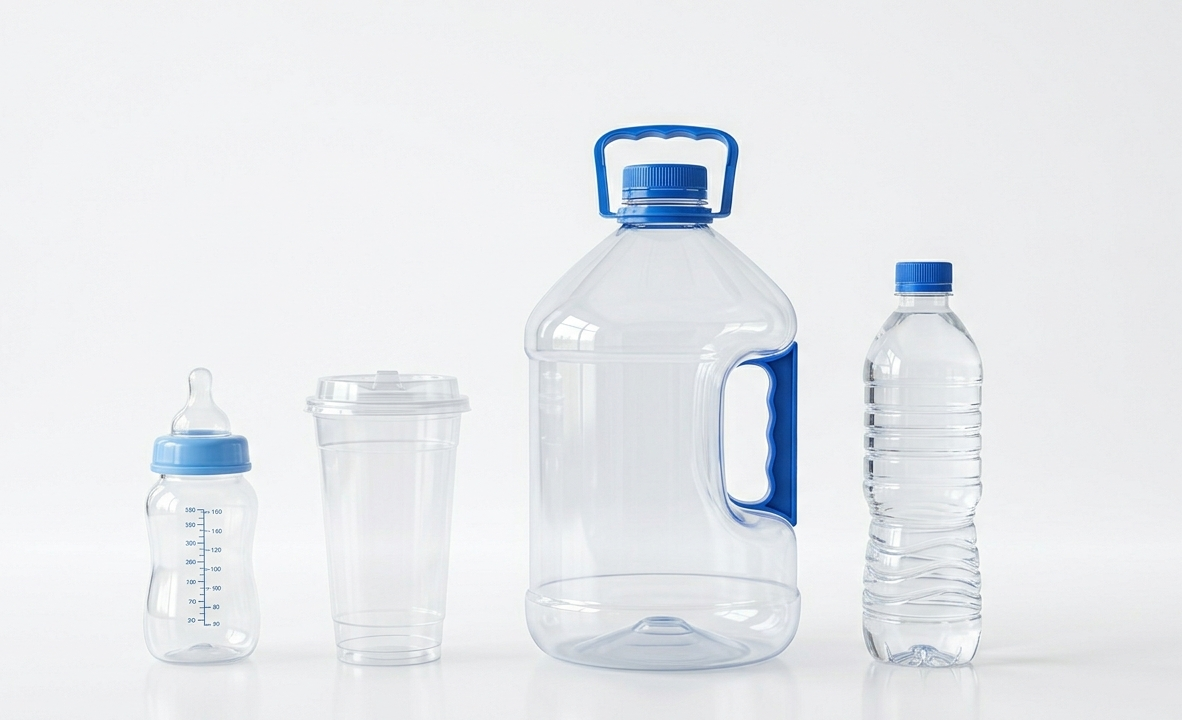
Every day, billions of people use plastic products without realizing the sophisticated material science behind them. From baby bottles and milk tea cups to water gallons and food containers, modern plastic packaging depends on carefully selected additives to ensure smooth production, attractive appearance, and reliable performance.
Among the most important of these additives are fatty acid amides, a family of bio-based oleochemical additives that includes well-known products such as oleamide and erucamide. Although used at very low concentrations, these additives play a crucial role in helping manufacturers produce high-quality plastic packaging efficiently and consistently.
As consumer expectations continue to rise and packaging production becomes increasingly automated, fatty acid amides have become indispensable polymer additives across the plastics industry.
Why Plastic Packaging Needs Fatty Acid Amides
Manufacturing plastic bottles, cups, and containers involves high-speed extrusion, injection molding, blow molding, and thermoforming processes. During these operations, molten polymers must flow smoothly through processing equipment and release easily from molds without defects.
Without proper lubrication, plastics can experience excessive friction, sticking, poor surface quality, and reduced production efficiency.
This is where fatty acid amides deliver exceptional value.
These additives function primarily as slip agents and lubricants. Once incorporated into polyethylene (PE), polypropylene (PP), and other packaging polymers, they help reduce friction both during processing and in the final product.
As the plastic cools, the additive gradually migrates to the surface, forming an ultra-thin lubricating layer. This microscopic layer improves surface slip, prevents sticking, and enhances the overall feel of the finished packaging.
Supporting the Production of Baby Bottles
Baby bottles represent one of the most demanding applications in the packaging industry. Manufacturers must achieve excellent clarity, smooth surfaces, consistent dimensions, and strict regulatory compliance.
In polypropylene baby bottle production, fatty acid amides help improve polymer flow during injection molding, allowing manufacturers to produce complex shapes with greater consistency. They also function as mold release agents, helping parts separate cleanly from molds and reducing the risk of surface defects.
The result is a smoother production process, improved manufacturing efficiency, and high-quality bottle surfaces that meet consumer expectations.
Because baby bottles are food-contact products, manufacturers must also ensure compliance with strict migration and safety regulations. High-purity fatty acid amides are specifically designed to support these requirements while maintaining processing performance.
Enhancing Milk Tea Cups and Beverage Containers
The global popularity of milk tea, coffee, and ready-to-drink beverages has significantly increased demand for disposable and reusable plastic cups.
For manufacturers, one common challenge is preventing cups and lids from sticking together during production, packaging, and transportation.
Fatty acid amides address this issue through their anti-blocking properties. The lubricating surface layer they create reduces friction between adjacent plastic surfaces, allowing cups to separate easily during automated filling and packaging operations.
In addition, these additives contribute to a smoother surface finish and improved handling characteristics. Consumers may not notice the additive itself, but they experience the benefits every time a lid fits properly, a cup feels smooth in hand, or packaging equipment operates efficiently without interruption.
Improving Water Bottle and Water Gallon Manufacturing
Large water containers and beverage bottles undergo demanding blow molding processes that require excellent material flow and mold release characteristics.
As effective lubricants, fatty acid amides help molten plastic move more efficiently through processing equipment while reducing friction against mold surfaces. This supports faster cycle times, reduced energy consumption, and improved production consistency.
In the finished product, the additives contribute to better handling and reduced surface friction. This is particularly important for water bottles that move through high-speed filling, labeling, packaging, and transportation systems.
Another advantage is that fatty acid amides are largely insoluble in water, making them highly suitable for applications involving bottled water and other aqueous beverages.
Why Erucamide and Oleamide Remain Industry Standards
Among all fatty acid amides, oleamide and erucamide are the most widely used in packaging applications.
Oleamide is known for its fast migration characteristics, providing rapid slip development shortly after production. This makes it highly effective for packaging operations that require immediate performance.
Erucamide, by contrast, migrates more slowly and offers superior thermal stability. Its controlled migration behavior helps maintain long-term slip performance and is often preferred for high-quality films, containers, and packaging materials.
Together, these additives help manufacturers optimize production efficiency while achieving the surface properties required in modern packaging applications.
The Future of Sustainable Packaging Additives
As sustainability becomes a major priority throughout the plastics industry, manufacturers are increasingly seeking renewable and environmentally responsible raw materials.
Derived from vegetable oils, fatty acid amides offer a bio-based alternative to many traditional processing aids. Their ability to improve manufacturing efficiency, reduce defects, and support high-quality packaging aligns closely with industry efforts to build more sustainable supply chains.
This combination of performance and renewable sourcing is helping drive continued adoption across global packaging markets.
Partner with Topwellgoal for High-Performance Fatty Acid Amides
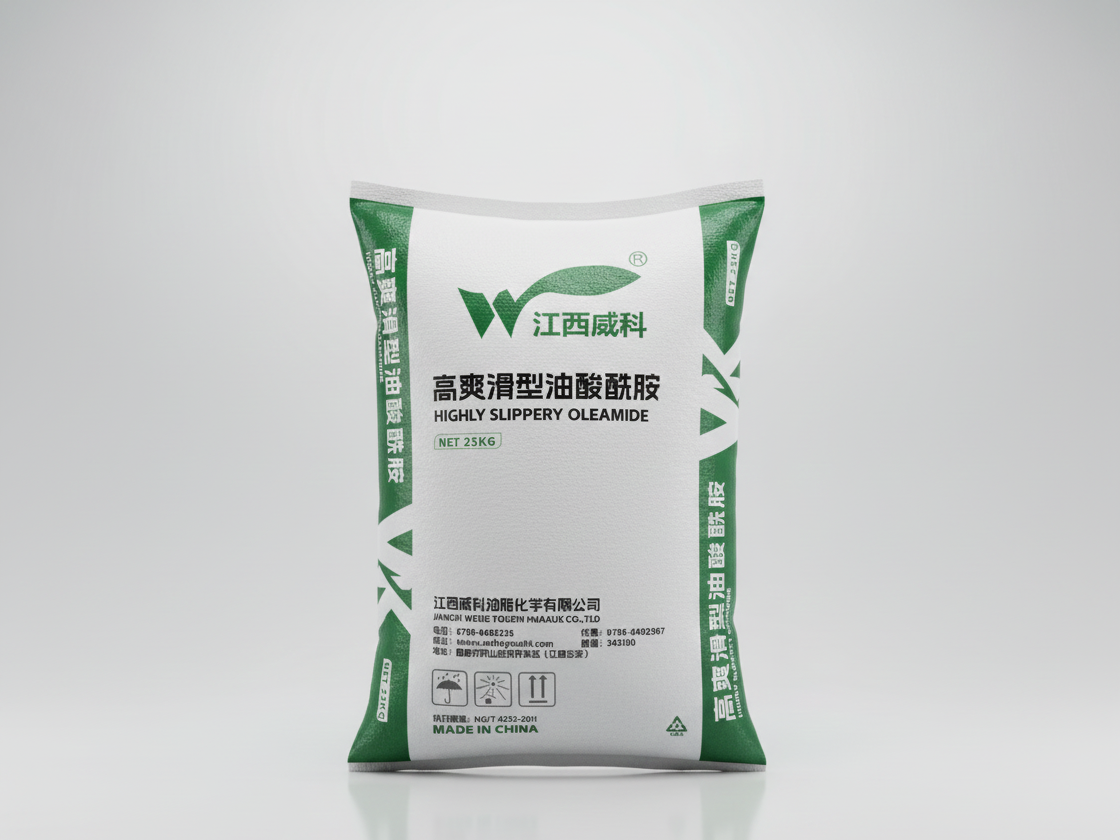
At Topwellgoal, we specialize in manufacturing premium fatty acid amides, including oleamide, erucamide, stearamide, and other advanced oleochemical additives for the plastics industry. Our products help manufacturers improve processing efficiency, enhance product quality, and achieve reliable performance across bottles, cups, containers, films, and packaging applications.
Whether you are producing baby bottles, beverage packaging, food containers, or industrial packaging materials, our technical team can help identify the right additive solution for your production needs.
Contact Topwellgoal today to discover how our high-quality fatty acid amides can support your next generation of packaging innovation.