 Chinese
 Italian
 Spain
Spain French
 German
 Arabic
 Portugese
The Invisible Ingredient Making Baby Bottles Safer to Manufacture
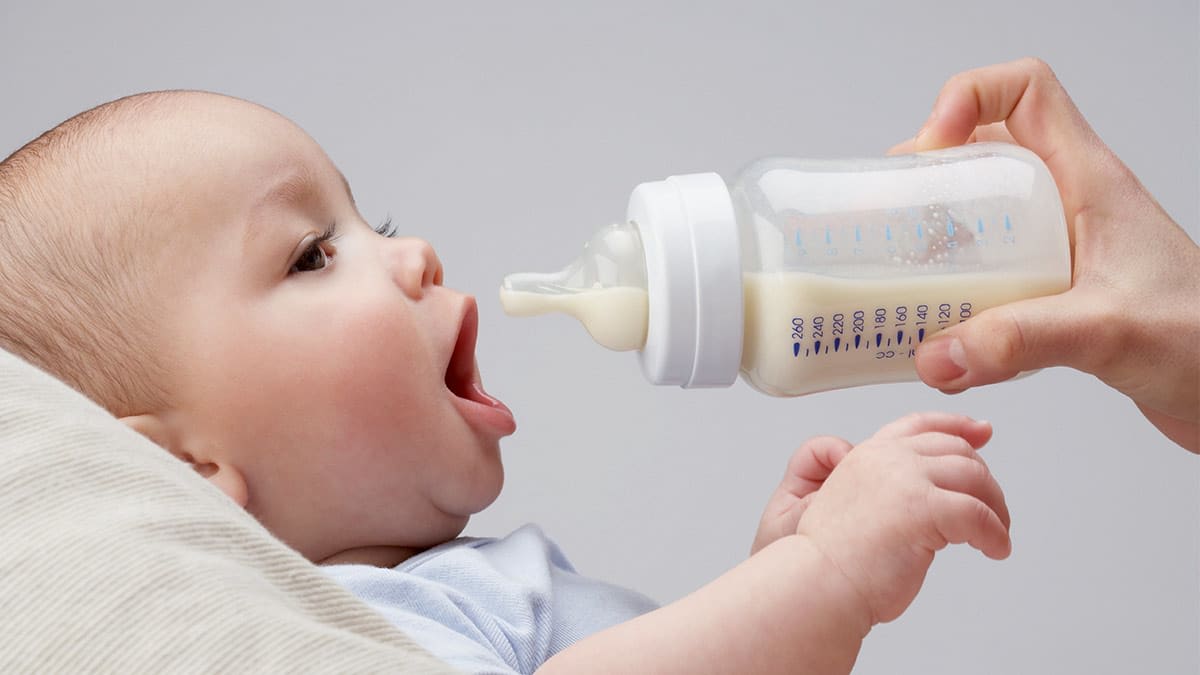
When parents pick up a baby bottle, they're thinking about safety, clarity, and whether it will survive being dropped on a tile floor. What they're not thinking about, and don't need to, is the chemistry that made it possible to produce that bottle consistently, cleanly, and at scale. That's the job of carefully selected plastic additives, and one of the most important among them is oleamide.
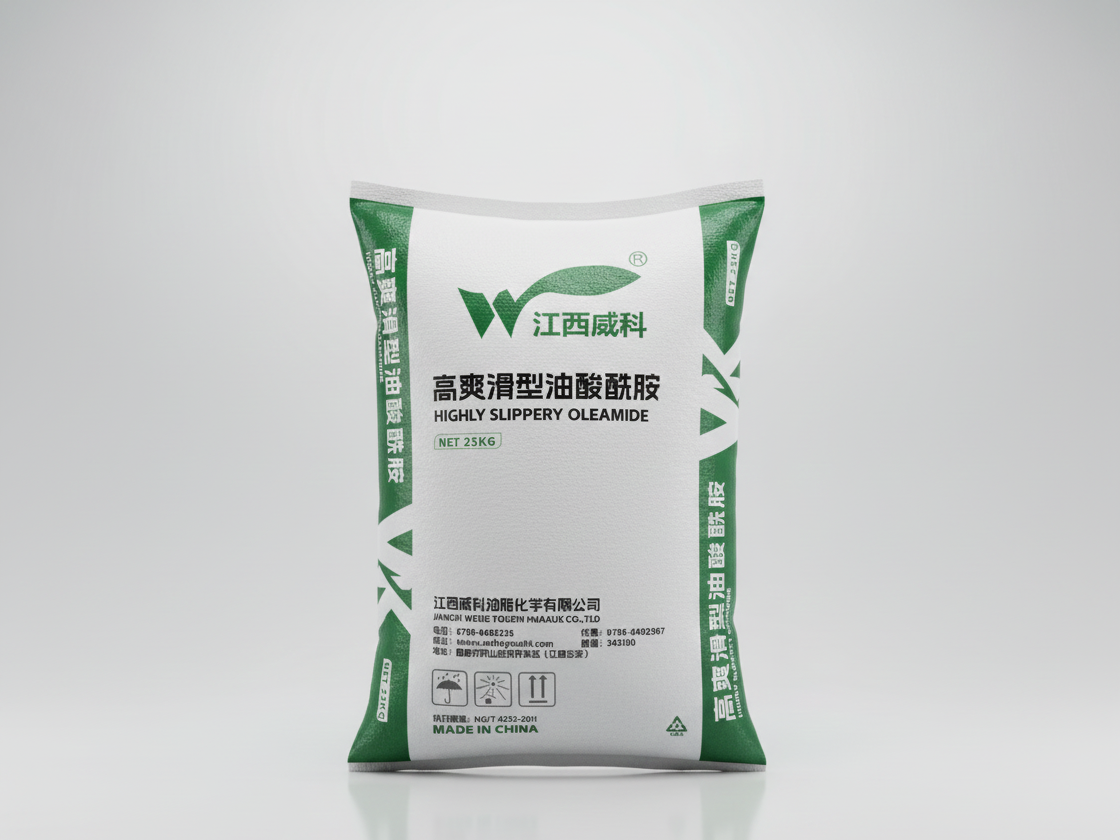
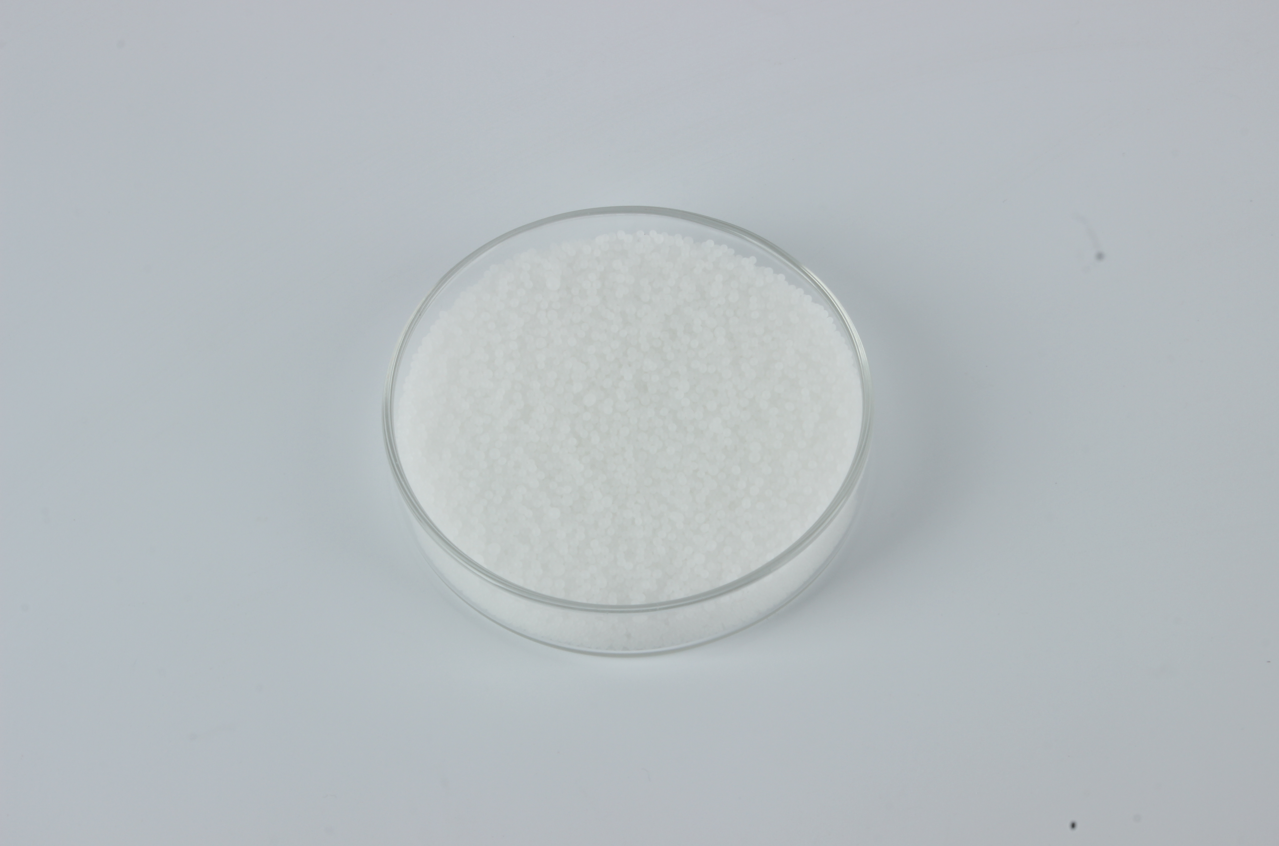
Invisible in the finished product, oleamide is a bio-based oleochemical additive derived from renewable vegetable oils. It functions as a slip agent, lubricant, mold release agent, and anti-block additive during plastic processing, and its role in baby bottle manufacturing is more significant than its small concentration suggests.
What Oleamide Does Inside the Polymer
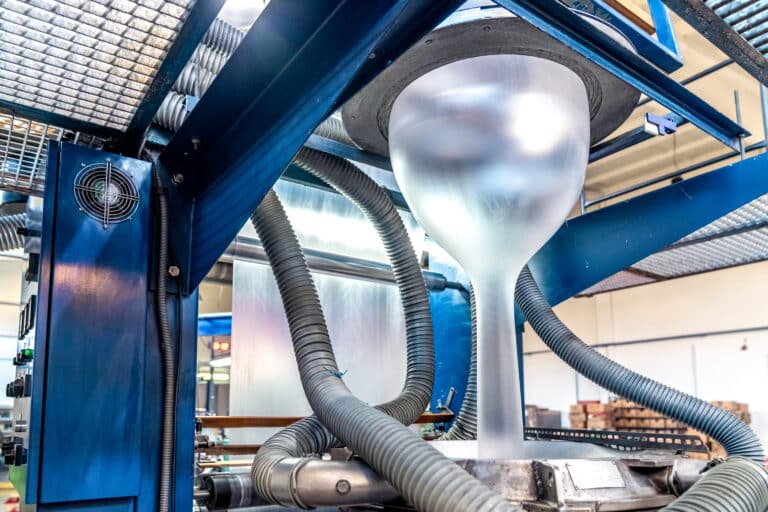
Baby bottles are most commonly produced from polypropylene (PP), polyethylene (PE), and other food-contact approved thermoplastics. During injection molding, these materials are subjected to high temperatures and pressures as they flow through molds to form the bottle shape.
Without adequate processing aids, friction within the polymer melt and between the melt and equipment surfaces creates a cascade of downstream problems: poor material flow, increased processing torque, longer cycle times, surface defects, and higher energy consumption per unit. Oleamide addresses these issues at the molecular level by acting as an internal lubricant — reducing friction between polymer chains and allowing the melt to flow more freely through complex mold geometries.
The processing benefits are tangible: improved melt flow, faster production cycles, lower required processing temperatures, and reduced equipment wear. For manufacturers producing millions of bottles annually, these efficiency gains translate directly into lower cost per unit and more consistent output quality across production runs.
Mold Release and Surface Quality
One of oleamide's most valued functions in baby bottle production is its behavior as a mold release agent. After the bottle forms, it must eject cleanly from the metal mold without sticking, distorting, or leaving surface marks. Oleamide creates a microscopic lubricating interface between the polymer and the mold surface, enabling smooth, defect-free ejection even at high production speeds.
The downstream effect on surface quality is equally important. Bottles produced with properly dosed oleamide exhibit smoother, more uniform surfaces — an aesthetic quality that consumers associate with product premium and manufacturing care. In a category like infant feeding products, where perceived quality carries significant purchasing weight, surface finish is not a cosmetic afterthought.
Anti-Block Performance During Handling and Logistics
After molding, oleamide continues working through a natural process called surface blooming. As the plastic cools, oleamide molecules gradually migrate to the surface, forming an ultra-thin lubricating layer that reduces surface friction and prevents finished parts from sticking to one another during packaging, storage, and transport.
This anti-block behavior matters more than it might seem in high-volume operations. Bottles that stick together during automated assembly or packaging lines create handling disruptions, increase defect rates, and slow throughput. A well-formulated slip agent like oleamide eliminates this problem at the material level rather than requiring mechanical or process-side workarounds.
Regulatory Compliance in Food-Contact Applications
In baby bottle production, regulatory compliance is not optional, it is the baseline. Oleamide is permitted for use in food-contact plastics across major regulatory frameworks including the European Union and China, provided manufacturers adhere to applicable purity standards and migration limits.
Research evaluating oleamide migration from commercial baby bottles has consistently shown migration levels in the nanogram-per-milliliter range, substantially below established regulatory thresholds when compliant materials and controlled manufacturing practices are in place. The critical variable is additive purity. High-purity oleamide delivers more predictable migration behavior, more consistent processing performance, reduced odor generation, and a lower risk of unwanted trace impurities reaching the food-contact surface.
This is precisely why sourcing fatty acid amides from a technically capable, quality-controlled supplier matters in sensitive applications. The specification on a technical data sheet only reflects what the additive is supposed to be, consistent manufacturing and rigorous quality control determine what it actually delivers batch after batch.
Sustainability Alignment in a Consumer-Sensitive Category
Baby care is one of the categories where consumer scrutiny of ingredient origins is highest. The fact that oleamide is derived from renewable vegetable oil feedstocks rather than petroleum-based chemicals gives it an additional advantage in this context. As manufacturers increasingly face pressure to demonstrate responsible material choices throughout their supply chains, bio-based oleochemical additives offer a practical way to reduce fossil-derived chemical inputs without compromising processing performance or regulatory standing.
This alignment between performance and sustainability is one reason fatty acid amides continue to gain ground across food-contact, medical, and consumer goods plastics, sectors where both dimensions matter equally.
Work with a Supplier Who Understands the Application
Sourcing oleamide for food-contact and infant care applications is not the same as sourcing it for industrial film or rubber processing. The purity requirements are stricter, the regulatory documentation more demanding, and the consequences of inconsistent quality more visible — both to the manufacturer and to the end consumer.
Topwellgoal manufactures and supplies high-purity oleamide and a full range of fatty acid amide additives — including erucamide, stearamide, and EBS — to plastics manufacturers and distributors across Southeast Asia, China, and global markets. Our technical team supports customers from additive selection through formulation optimization and regulatory documentation.
Contact Topwellgoal today to request product specifications, purity certifications, or application guidance for oleamide in baby bottle or food-contact plastic production.