 Chinese
 Italian
 Spain
Spain French
 German
 Arabic
 Portugese
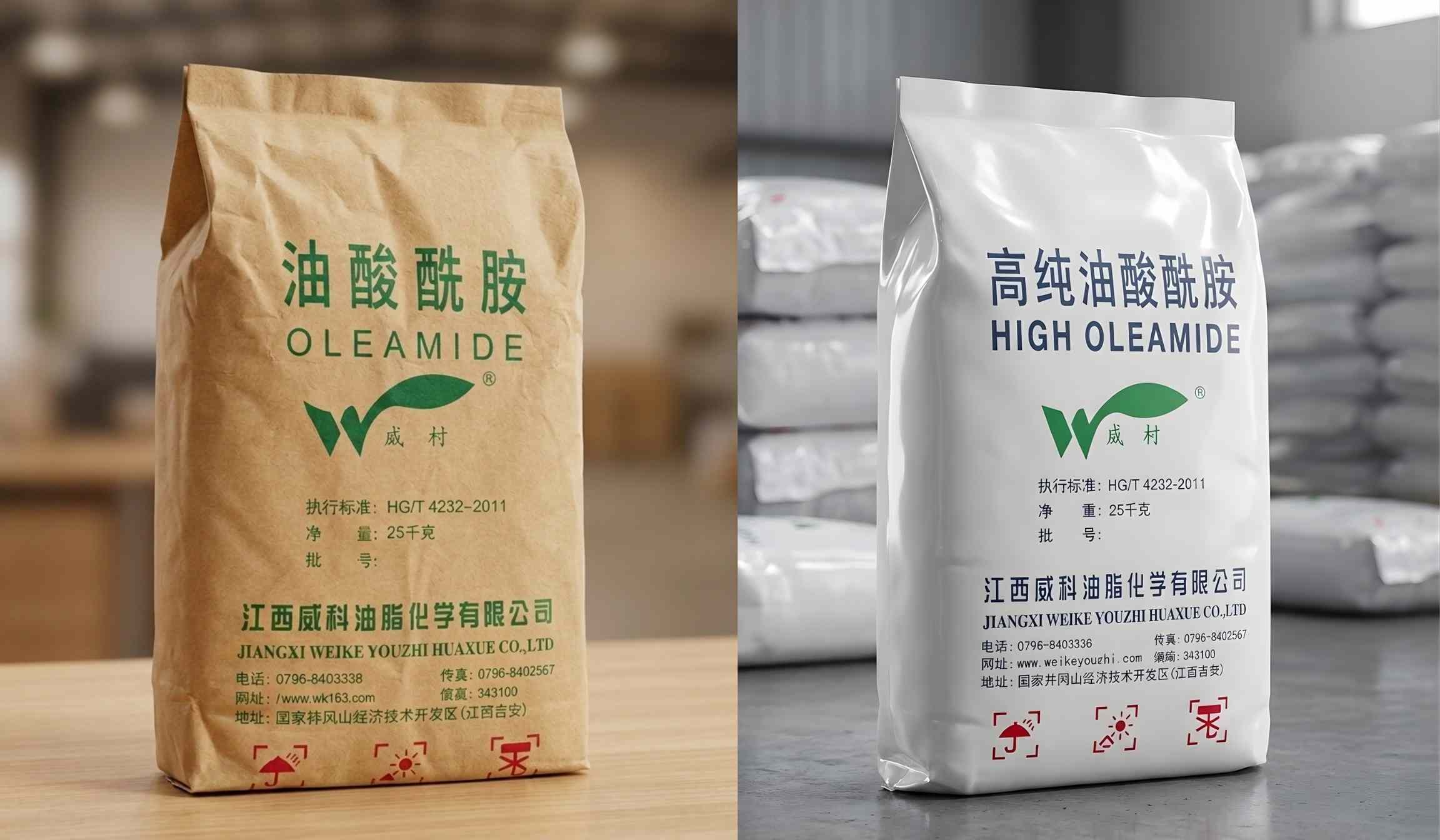
Choosing the Right Packaging for Chemical Additives
Packaging plays a critical role in the storage, transportation, and performance of plastic additives. For manufacturers and distributors handling materials such as fatty acid amides, stabilizers, lubricants, and specialty chemicals, selecting the appropriate packaging format is essential to maintain product quality, ensure safety, and optimize logistics.
Two of the most commonly used packaging options in the industry are multi-layer paper bags with PE liners (hybrid packaging) and all-PE (polyethylene) packaging. Each solution offers distinct advantages depending on the application, material characteristics, and supply chain requirements.
At Topwellgoal, we provide flexible packaging solutions tailored to customer needs. This article offers a direct comparison between hybrid and all-PE packaging to help you choose the most suitable option for your plastic additives.
Understanding Hybrid Packaging: Paper + PE Liner
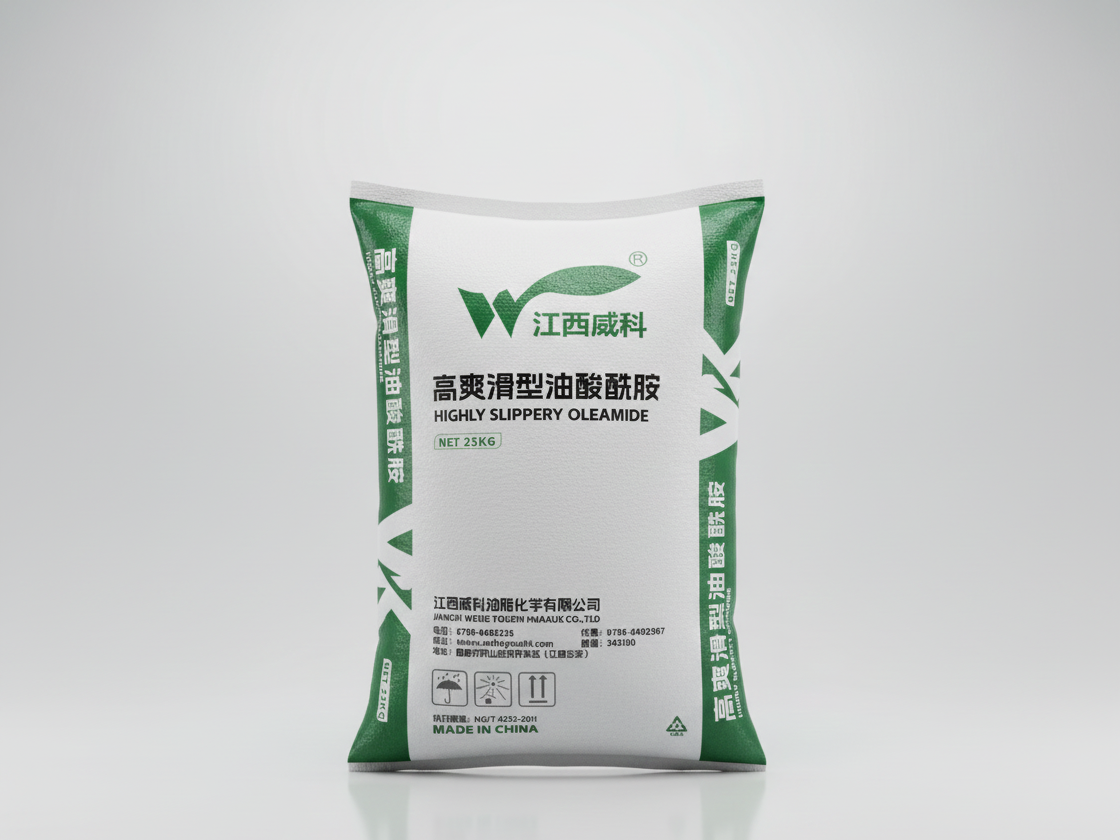
Hybrid packaging consists of a multi-layer kraft paper outer layer combined with an inner polyethylene (PE) liner. This design combines the structural strength and printability of paper with the moisture resistance of plastic.
Key Advantages of Hybrid Packaging
One of the primary benefits of paper-based outer layers is anti-static performance. Paper naturally dissipates static electricity, making it a safer choice for handling certain flammable or dust-sensitive additives. In contrast, pure polyethylene packaging can accumulate static charges, which may pose risks in specific environments.
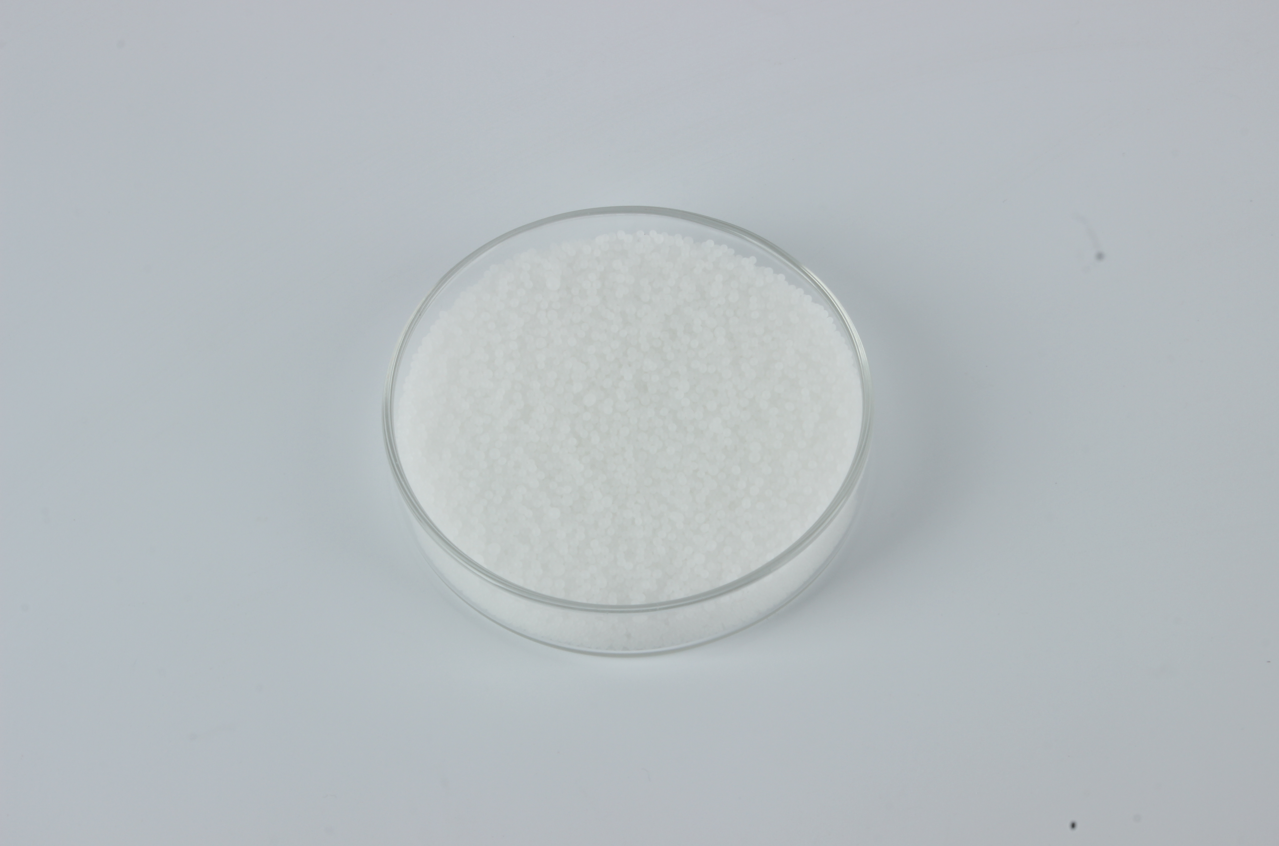
Hybrid packaging is also suitable for high-temperature filling applications. Additives discharged at elevated temperatures, such as pellets or granules, can be safely packed in paper-based bags, as paper maintains its structure better than PE under heat. Polyethylene bags may soften or deform when exposed to higher temperatures.
Another important advantage is superior branding and labeling capability. The paper surface allows for high-resolution printing of hazard symbols, batch information, and multilingual safety instructions. This is particularly valuable for regulatory compliance and product identification.
In addition, the paper outer layer provides a degree of resistance to abrasion and handling stress, making it suitable for certain granular materials during short-term storage and transport.
Limitations of Hybrid Packaging
Despite its advantages, hybrid packaging has several limitations. The inner PE liner is typically thin, making it vulnerable to puncture from sharp or crystalline additives. Once the liner is compromised, the outer paper layer cannot prevent moisture or contaminants from entering.
Hybrid bags are also not fully sealed. They are usually sewn or glued at the top, leaving potential pathways for moisture ingress and dust leakage. This makes them less suitable for fine powders or moisture-sensitive additives.
Additionally, paper can absorb moisture from the environment. In humid conditions or outdoor storage, the paper layer may degrade or transfer moisture to the contents over time.
Understanding All-PE Packaging
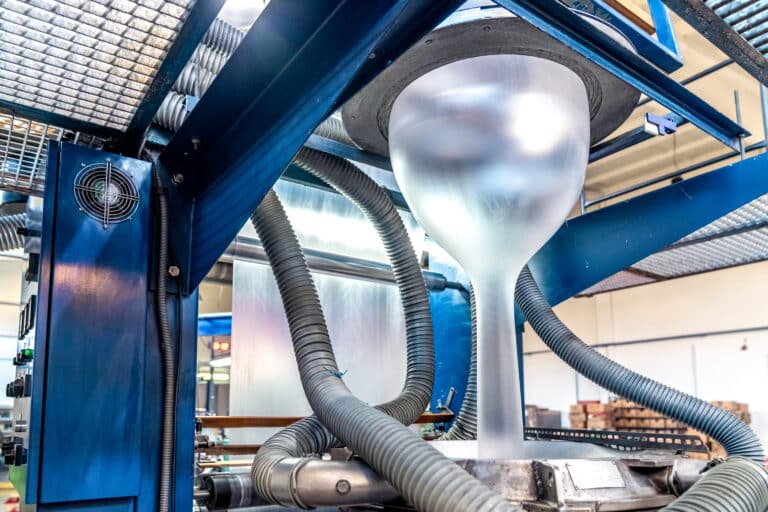
All-PE packaging consists entirely of polyethylene material, offering a fully sealed, moisture-resistant solution for plastic additives.
Key Advantages of All-PE Packaging
The most significant benefit of all-PE packaging is its ability to provide a hermetic seal. Heat-sealed closures ensure that the packaging is fully enclosed, preventing moisture, air, and contaminants from entering. This makes it ideal for moisture-sensitive additives such as antioxidants, light stabilizers, and coupling agents.
All-PE bags are also highly effective for fine powders, as they prevent material loss through seams or closures. This ensures cleaner handling and reduces waste during transportation and storage.
Another major advantage is chemical resistance. Polyethylene is highly resistant to a wide range of chemicals, making it suitable for packaging corrosive or reactive additives. In contrast, paper-based packaging may degrade over time when exposed to certain chemicals.
For long-term storage and international shipping, all-PE packaging offers superior durability. It can withstand humidity, rain, and condensation without compromising the integrity of the contents.
From a logistical perspective, all-PE packaging is often lighter, more cost-effective, and space-efficient. It can be easily flattened for storage, reducing warehouse space requirements and transportation costs.
In regions with established recycling systems, mono-material PE packaging may also offer better recyclability compared to hybrid bags, which are difficult to process due to their mixed materials.
Limitations of All-PE Packaging
While all-PE packaging offers excellent protection, it does have certain limitations. One consideration is static accumulation, which may require additional anti-static treatments in specific applications.
In addition, polyethylene surfaces are less suitable for high-resolution printing compared to paper, which may limit branding and labeling flexibility.
Choosing the Right Packaging for Plastic Additives
The choice between hybrid and all-PE packaging depends on the specific characteristics of the additive and the intended application.
Hybrid packaging is often preferred when anti-static safety, high-temperature filling, or strong branding requirements are priorities. It is suitable for applications where short-term storage and moderate environmental exposure are expected.
On the other hand, all-PE packaging is the preferred choice for moisture-sensitive, fine powder, or chemically reactive additives. It is also ideal for long-distance shipping and environments where humidity and contamination must be strictly controlled.
For many manufacturers, the decision ultimately comes down to balancing product protection, safety, cost, and logistics efficiency.
Supporting Reliable Packaging for Oleochemical Additives
For products such as fatty acid amides (oleamide, erucamide, stearamide) and EBS, packaging plays a critical role in maintaining quality and performance. These additives require protection from moisture, contamination, and environmental exposure to ensure consistent results in downstream applications.
At Topwellgoal, we understand the importance of selecting the right packaging solution. We offer flexible options, including multi-layer paper bags with PE liners and all-PE packaging, to meet the diverse needs of our customers.
Partner with Topwellgoal for Complete Additive Solutions
Choosing the right packaging is just as important as selecting the right additive. With extensive experience in oleochemical additives and global supply, Topwellgoal provides both high-quality products and tailored packaging solutions to support your operations.
Whether you require moisture-resistant packaging for sensitive additives or durable solutions for efficient logistics, our team is ready to assist you.
Contact Topwellgoal today to learn more about our fatty acid amide products and customized packaging options. Let us help you optimize product protection, improve supply chain efficiency, and achieve consistent performance in your plastic additive applications.