 Chinese
 Italian
 Spain
Spain French
 German
 Arabic
 Portugese

Why Different Fatty Acid Amides Work for Different Polymers
Selecting the right polymer additives is not simply about improving performance, it is about achieving the right balance between compatibility and functionality. For manufacturers working with polymer materials such as polyethylene (PE), polypropylene (PP), PVC, and engineering plastics, the interaction between additives and the polymer matrix directly impacts processing efficiency, surface quality, and end-use performance.
This is especially true for fatty acid amides, a key class of oleochemical additives widely used as slip agents, lubricants, and dispersants. Their effectiveness depends on a delicate balance: they must be incompatible enough to migrate to the surface and deliver slip, yet compatible enough to remain evenly dispersed without causing defects.
Understanding why different amides work better with specific polymer systems is essential for procurement managers, R&D chemists, and formulators aiming to optimize product performance.
How Fatty Acid Amides Function in Polymer Materials
Fatty acid amides are unique among polymer additives because of their amphiphilic structure. Each molecule contains a non-polar hydrocarbon chain and a polar amide group. This structure allows them to interact with polymer chains during processing while also migrating to the surface after cooling.
This migration process, often referred to as “blooming,” is what enables fatty acid amides to function as effective slip agents and lubricants. Once at the surface, they form a thin, low-friction layer that reduces the coefficient of friction (COF), improves handling, and prevents blocking.
However, the rate and effectiveness of this migration depend heavily on the compatibility between the additive and the polymer material. Too much compatibility prevents migration, while too little leads to poor dispersion and surface defects.
Matching Fatty Acid Amides to Polymer Systems
Different fatty acid amides are engineered with varying chain lengths and saturation levels, which directly influence their compatibility and performance in specific polymer materials.
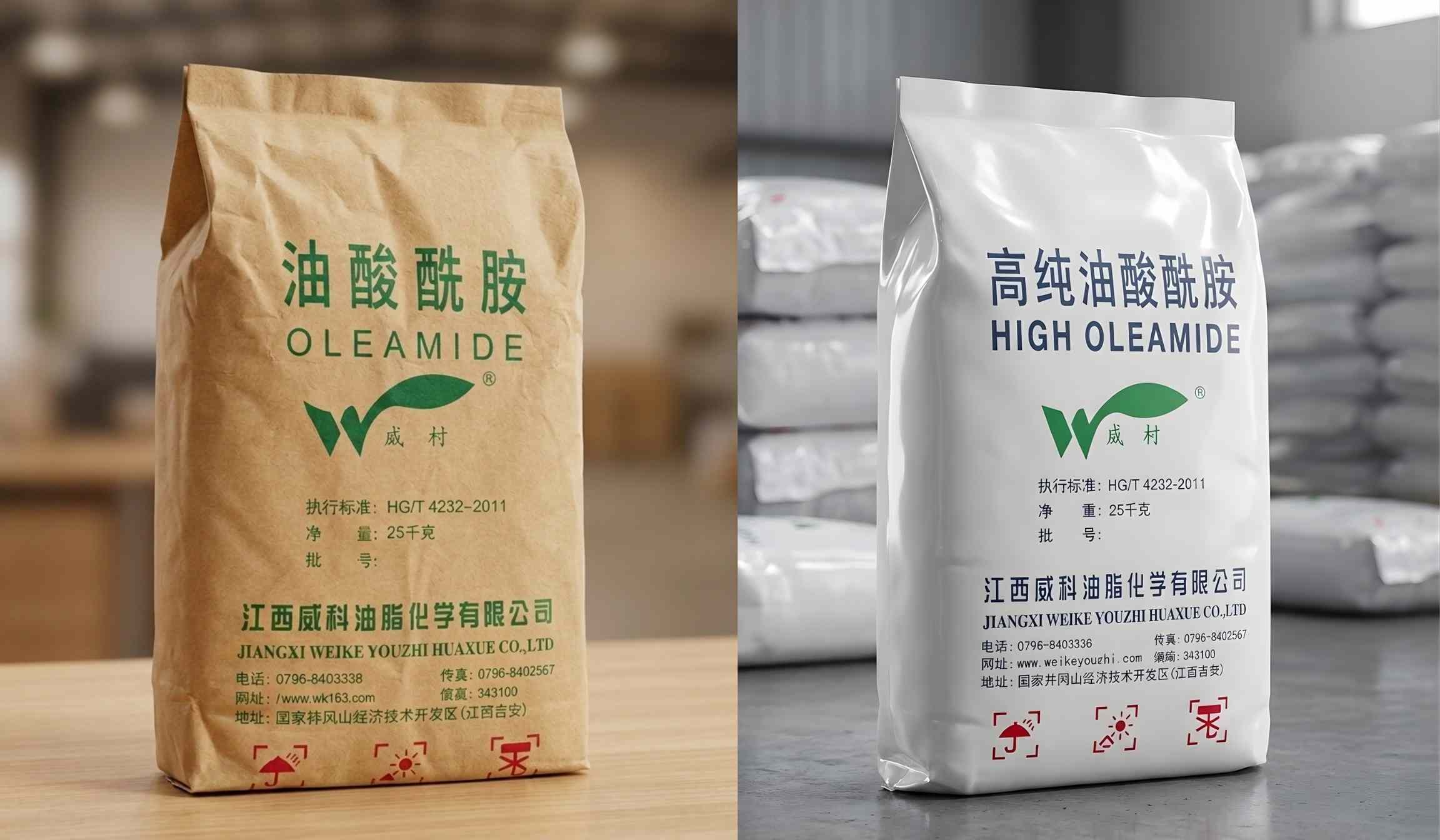
Oleamide is widely used in PE, PP, and PVC due to its fast migration. It provides rapid slip performance, making it ideal for high-speed film production. However, excessive use may lead to surface hazing, particularly in applications requiring high optical clarity.
Erucamide, often considered the industry standard for thin films, offers slower and more controlled migration. Its longer molecular chain provides better thermal stability and helps maintain film clarity, making it a preferred choice for high-performance polyolefin applications.
Stearamide is a more balanced additive, compatible with LDPE, LLDPE, ABS, PS, and rigid PVC. It provides moderate slip and anti-blocking performance while also acting as a processing aid in applications such as foaming and calendering.
Behenamide is commonly used in PE, PP, and elastomer systems such as EPDM and TPE. Its higher melting point makes it suitable for applications requiring improved anti-blocking performance and stability under elevated temperatures.
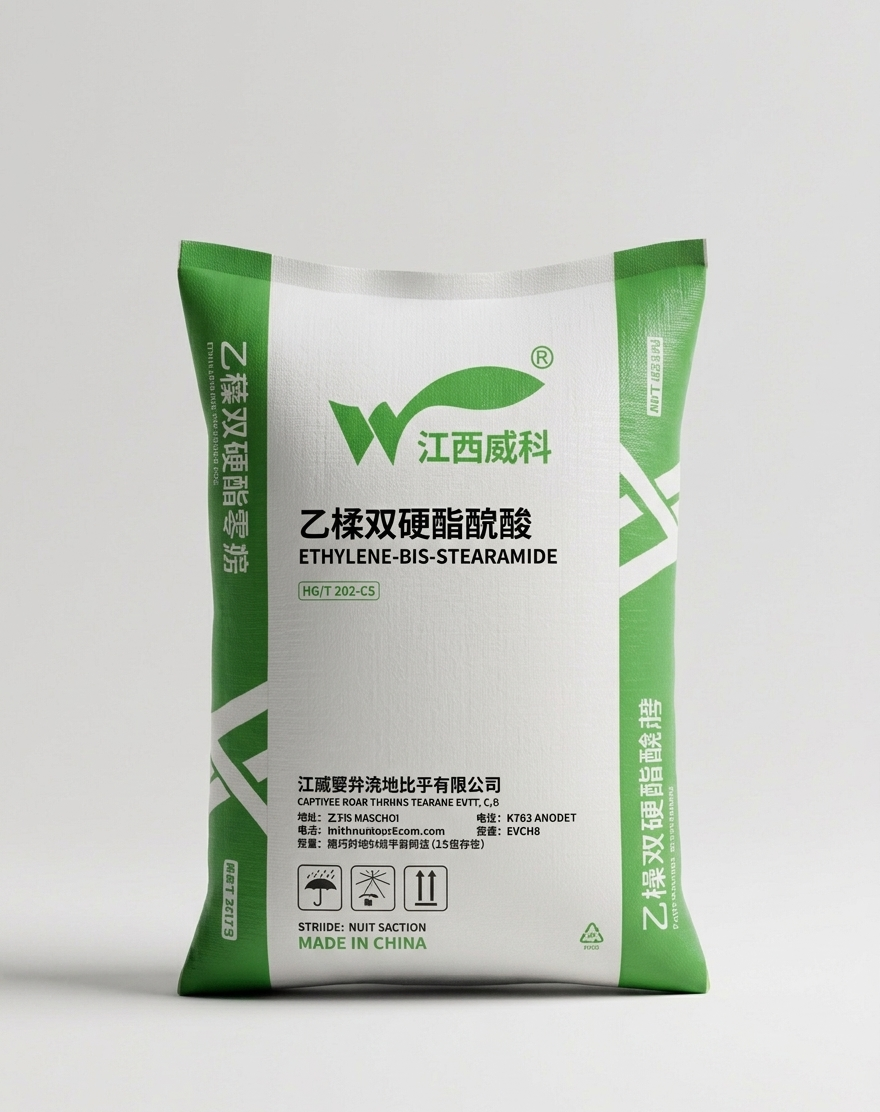
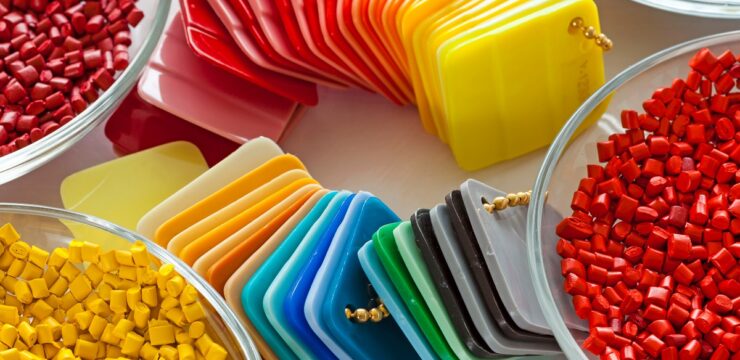
EBS (Ethylene Bis Stearamide) is a highly versatile additive used across PE, PP, PS, and EVA systems. It functions not only as a lubricant but also as a dispersant, improving filler and pigment distribution in masterbatches and rubber compounds.
For more specialized applications, additives such as EBO are used in polar polyolefin copolymers and multilayer films, where controlled migration and reduced tack are critical.
Key Performance Considerations for Additive Selection
Choosing the right fatty acid amide for your formulation requires a systematic approach that considers both material compatibility and performance requirements.
One of the first factors to evaluate is polymer structure and polarity. Non-polar polymers like PE and PP typically work well with standard amides such as oleamide and erucamide, while more complex or polar systems may require specialized additives.
Processing temperature is another critical factor. High-temperature applications demand additives with greater thermal stability, such as erucamide or EBS, to prevent degradation and maintain consistent performance.
Performance requirements also play a key role. If rapid slip development is needed, fast-migrating additives like oleamide are preferred. For applications requiring long-term stability and clarity, erucamide offers better results.
In multilayer films or applications where surface treatment is required, slower-migrating additives help maintain adhesion and prevent interference with downstream processes such as printing or sealing.
Advanced tools such as Hansen Solubility Parameters (HSP) can be used to predict compatibility scientifically. In practice, melt blending tests are often used to validate additive performance under real processing conditions.
Balancing Compatibility and Performance
The effectiveness of fatty acid amides as polymer additives lies in their ability to strike the right balance between compatibility and migration. This balance ensures that the additive remains evenly distributed during processing while still delivering the desired surface properties.
When properly selected, fatty acid amides improve not only slip and anti-block performance but also processing efficiency, surface quality, and product consistency. They are essential in applications ranging from packaging films and automotive components to rubber compounds and personal care formulations.
As industries continue to demand higher performance from polymer materials, the importance of selecting the right additive system becomes increasingly critical.
Partner with Topwellgoal for Advanced Oleochemical Additives
Topwellgoal is a trusted manufacturer of fatty acid amides and advanced oleochemical additives, with deep technical expertise in polymer compatibility and formulation optimization.
We provide a comprehensive portfolio of polymer additives, including oleamide, erucamide, stearamide, EBS, and customized solutions tailored to your specific polymer systems and processing conditions.
For manufacturers and distributors across Southeast Asia and China, Topwellgoal offers reliable supply, consistent quality, and technical support to help you achieve optimal performance in your products.
Contact Topwellgoal today to explore how our fatty acid amide solutions can enhance your polymer formulations, improve processing efficiency, and deliver consistent, high-quality results.