 Chinese
 Italian
 Spain
Spain French
 German
 Arabic
 Portugese
Why Fatty Acid Amides Are Highly Compatible with Oil-Based Materials
Fatty acid amides are among the most versatile additives in the chemical and plastics industries, widely recognized for their excellent performance in oil-based systems. From lubricants and polymer processing to coatings and inks, these oleochemical compounds deliver reliable functionality due to their unique molecular design.
For manufacturers seeking additives that integrate seamlessly into organic solvents, oils, waxes, and polymer matrices, fatty acid amides provide a powerful solution. At Topwellgoal, we specialize in high-quality fatty acid amide additives such as oleamide, erucamide, stearamide, and EBS, engineered to maximize compatibility and performance across a wide range of industrial applications.
This article explores why fatty acid amides are highly compatible with oil-based materials and how this property translates into real-world performance advantages.
The Science Behind Oil Compatibility
The strong compatibility of fatty acid amides with oil-based materials is rooted in their amphiphilic molecular structure. Each molecule consists of two key components: a long non-polar hydrocarbon chain and a polar amide functional group.
The hydrocarbon tail is lipophilic, meaning it has a natural affinity for non-polar substances such as oils, waxes, and polymers. This structural similarity allows fatty acid amides to dissolve easily in oil-based systems, making them highly effective in organic formulations.
At the same time, the polar amide group contributes functional properties such as surface activity, hydrogen bonding, and lubrication. This dual nature enables fatty acid amides to interact both within the bulk material and at interfaces, enhancing performance in complex systems.
Because of this structure, fatty acid amides are generally insoluble in water but highly soluble in organic solvents, including alcohols, ethers, and hydrocarbon-based systems. This makes them particularly valuable in industries that rely on oil-based formulations.
Performance in Oil-Based Polymer Systems
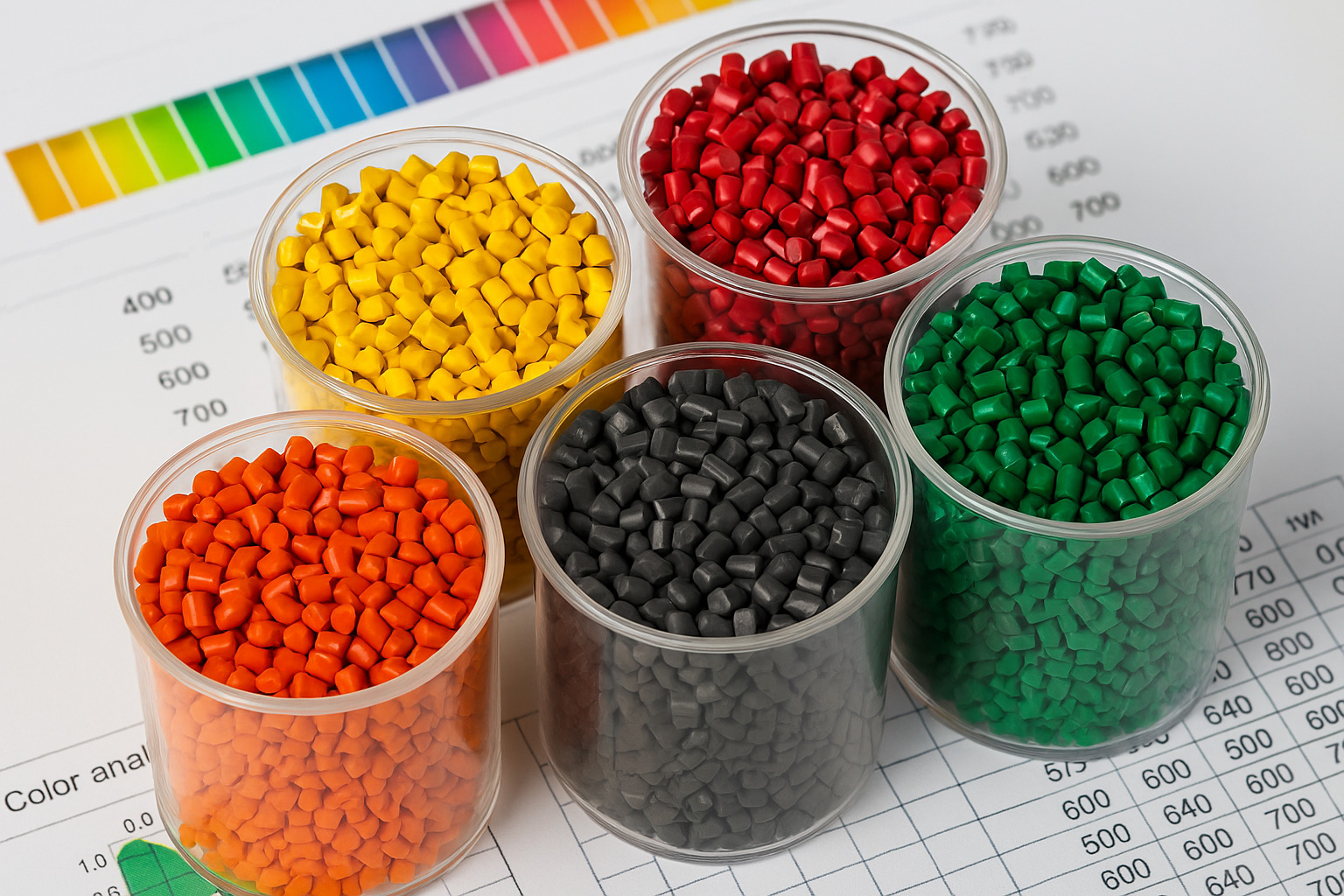
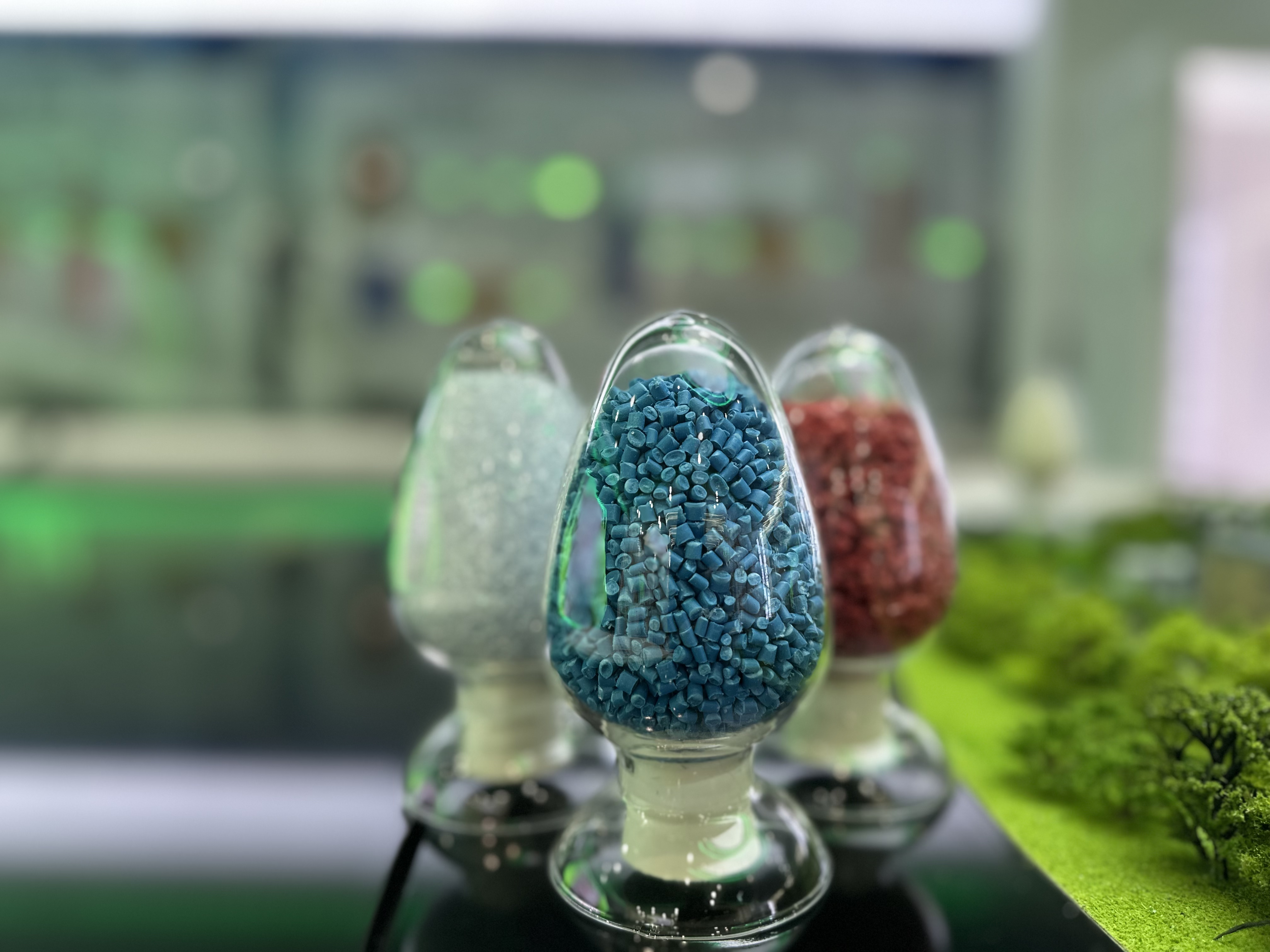
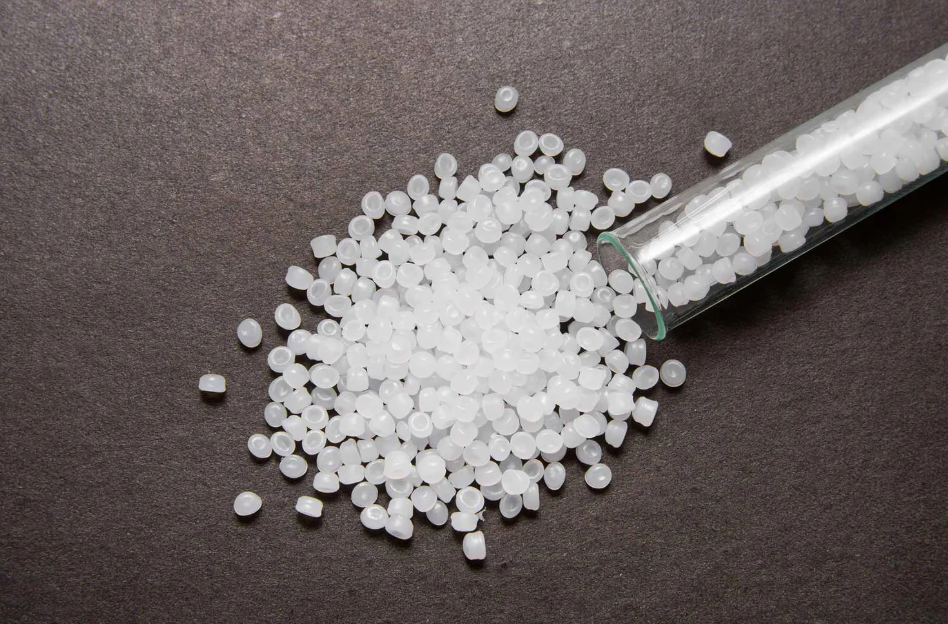
One of the most important applications of fatty acid amides is in plastic and polymer processing, especially in oil-like polyolefin systems such as polyethylene (PE) and polypropylene (PP).
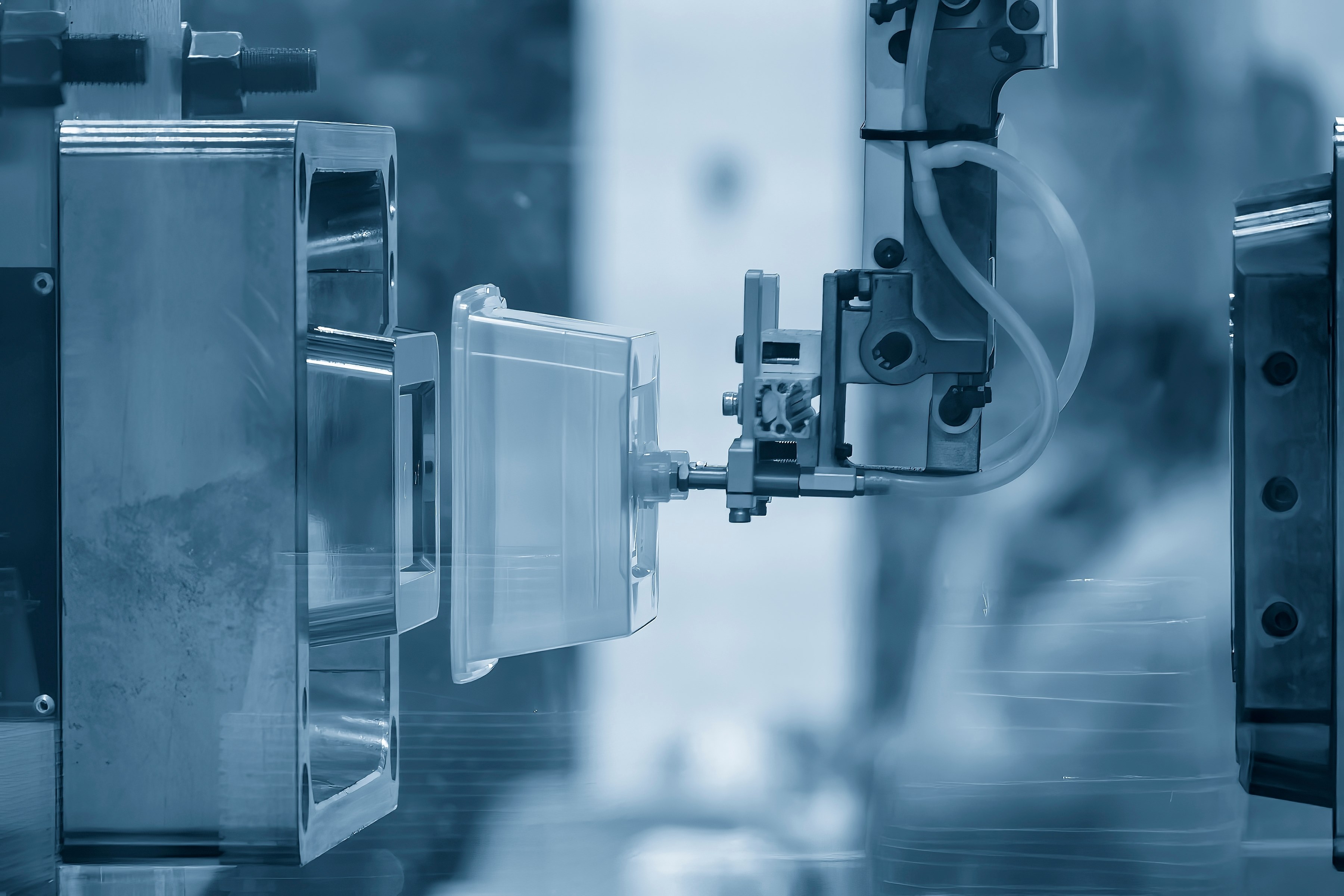
In these materials, fatty acid amides act as slip agents, anti-blocking agents, and internal lubricants. Their compatibility with the polymer matrix allows them to disperse effectively during processing. As the polymer cools, they migrate to the surface and form a thin lubricating layer.
This surface layer reduces friction, improves handling, and prevents plastic films from sticking together. At the same time, their internal lubrication effect reduces melt viscosity, improving flow and processing efficiency.
Because polyolefins themselves are non-polar and oil-like in nature, fatty acid amides integrate seamlessly into these systems, ensuring consistent performance and minimal compatibility issues.
Applications in Lubricants and Industrial Oils
Fatty acid amides are also widely used in lubricants and greases, where their oil compatibility plays a critical role. In these systems, they function as friction modifiers, anti-wear additives, and extreme pressure (EP) agents.
Their ability to dissolve in petroleum-based oils allows them to form stable formulations that maintain performance across a wide range of temperatures. They can also act as viscosity modifiers, helping stabilize lubricant properties under varying operating conditions.
The polar amide group enables fatty acid amides to form protective films on metal surfaces, reducing direct contact and minimizing wear. This makes them highly effective in industrial lubrication applications where durability and efficiency are essential.
Enhancing Coatings, Inks, and Surface Treatments
In coatings, inks, and surface treatment systems, fatty acid amides provide improved slip, scratch resistance, and surface smoothness. Their compatibility with organic solvents ensures easy incorporation into oil-based formulations.
Once applied, they migrate to the surface and create a lubricating layer that enhances rub resistance and durability. This is particularly important in printing applications, where surface quality and resistance to abrasion are critical.
Fatty acid amides also act as dispersing agents, helping maintain uniform distribution of pigments and additives within the formulation. This contributes to consistent color, improved finish, and better overall performance.
Versatility Across Oil-Based Applications
Beyond plastics and coatings, fatty acid amides are used in a wide range of oil-based systems. In petroleum waxes, they modify surface properties and improve processing behavior. In personal care products, they function as emollients and texture enhancers due to their compatibility with oils and lipids.
They are also used in specialized applications such as phase change materials (PCMs) for thermal energy storage, where their stability and compatibility with organic systems are essential.
This versatility highlights the importance of fatty acid amides as multifunctional additives in industries that rely on oil-based materials.
Tailoring Performance Through Molecular Design
Different types of fatty acid amides offer varying performance characteristics depending on their molecular structure.
Oleamide, with its C18 unsaturated chain, provides fast migration and rapid slip, making it ideal for applications requiring immediate surface modification. Erucamide, with a longer C22 chain, offers slower migration and improved thermal stability, delivering long-lasting performance.
Stearamide, a saturated C18 amide, provides balanced anti-blocking and lubrication properties, while behenamide offers high melting point performance for more demanding conditions.
Advanced additives such as EBS (ethylene bis stearamide) provide both internal and external lubrication with excellent thermal stability, making them suitable for engineering plastics and high-temperature applications.
By selecting the appropriate amide structure, manufacturers can tailor performance to meet specific application requirements.
Supporting High-Performance and Sustainable Solutions
As industries move toward more sustainable materials and processes, fatty acid amides—often derived from renewable vegetable oils—offer an environmentally friendly alternative to traditional additives.
Their compatibility with oil-based systems, combined with their efficiency at low concentrations, supports both performance optimization and sustainability goals.
At Topwellgoal, we are committed to developing plant-based oleochemical additives that meet the evolving needs of global industries.
Partner with Topwellgoal for Advanced Oleochemical Additives
The compatibility of fatty acid amides with oil-based materials makes them essential additives across plastics, lubricants, coatings, and beyond. Their unique molecular structure enables superior performance, improved processing efficiency, and enhanced product quality.
Topwellgoal is a trusted supplier of high-performance fatty acid amide additives, offering a comprehensive range of products including oleamide, erucamide, stearamide, and EBS.
We work closely with manufacturers, compounders, and distributors to develop customized solutions tailored to specific applications and processing requirements.
Contact Topwellgoal today to learn how our advanced oleochemical additives can enhance your oil-based formulations, improve product performance, and support your business growth in the global market.