 Chinese
 Italian
 Spain
Spain French
 German
 Arabic
 Portugese
EBH: The Dual-Function Lubricant That Improves Processing While Preventing Resin Yellowing
In high-performance plastic manufacturing, processing efficiency and product appearance aren't separate priorities, they're connected. An additive that improves flow but causes discoloration creates a different problem. One that preserves color but compromises processability creates another. For manufacturers working with engineering plastics, ABS compounds, and color-sensitive formulations, finding a single additive that addresses both is the more practical solution.
EBH (Ethylene Bis-12-Hydroxystearamide) is that solution. Unlike conventional plastic additives that focus solely on lubrication, EBH delivers a dual function: high-performance processing lubrication combined with measurable resistance to thermal yellowing, making it one of the more technically differentiated oleochemical additives available for demanding polymer applications.
What Is EBH and How Does It Differ from EBS?
EBH is a specialty bisamide lubricant derived from 12-hydroxystearic acid. Structurally, it is closely related to EBS (Ethylene Bis-Stearamide), one of the most widely used polymer additives in plastics processing, but with a critical difference: EBH contains hydroxyl (-OH) functional groups that EBS does not.
These hydroxyl groups enable stronger interactions with the polymer matrix through hydrogen bonding. The result is a lubricant that not only reduces friction effectively but also contributes to thermal stabilization during melt processing, a capability conventional bisamide lubricants cannot offer.
How EBH Performs as a Processing Lubricant
As an internal lubricant, EBH reduces friction between polymer chains during melt processing, delivering measurable improvements in flow and processability:
- Lower melt viscosity
- Improved mold filling
- Reduced processing torque
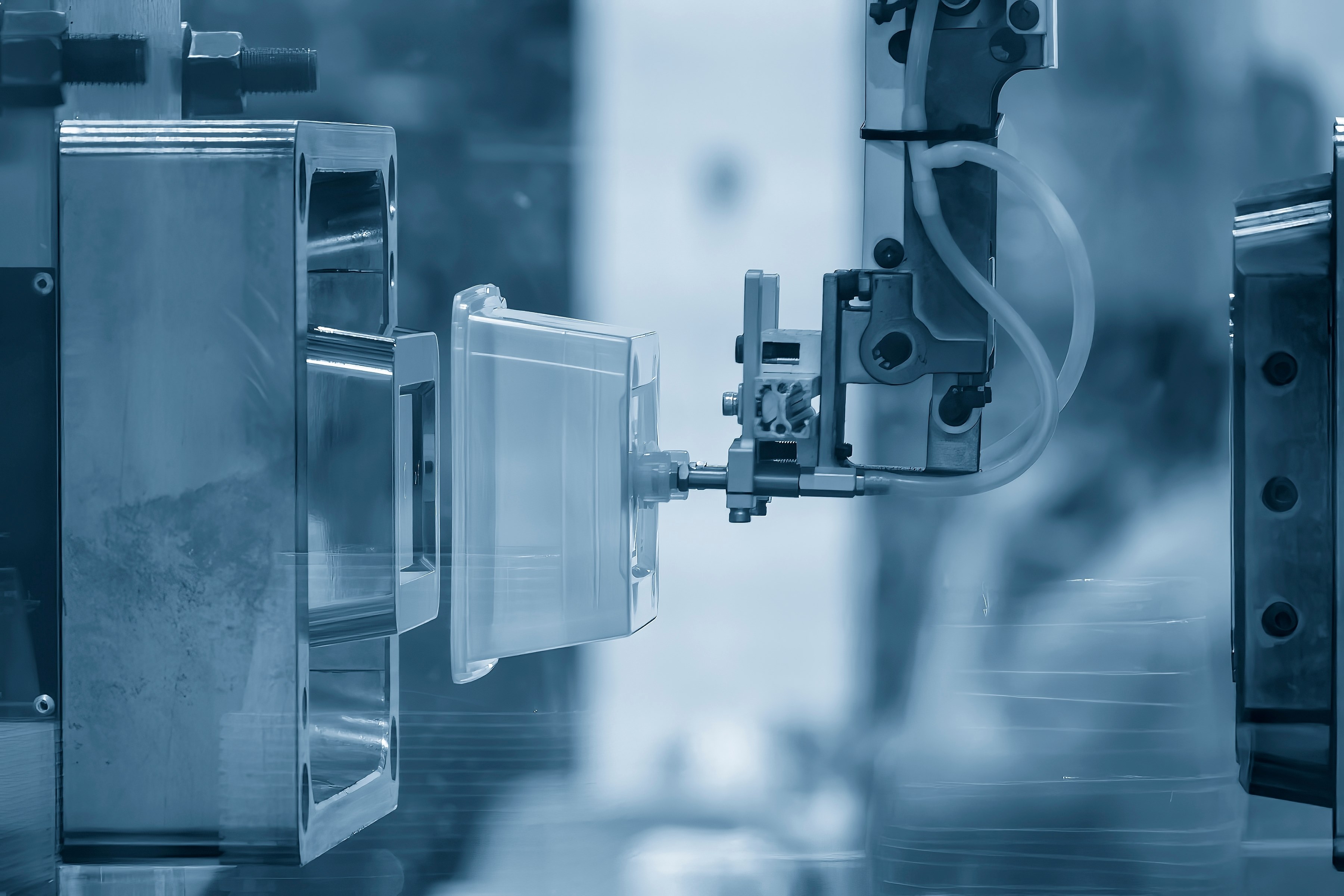
- Faster extrusion and injection molding cycles
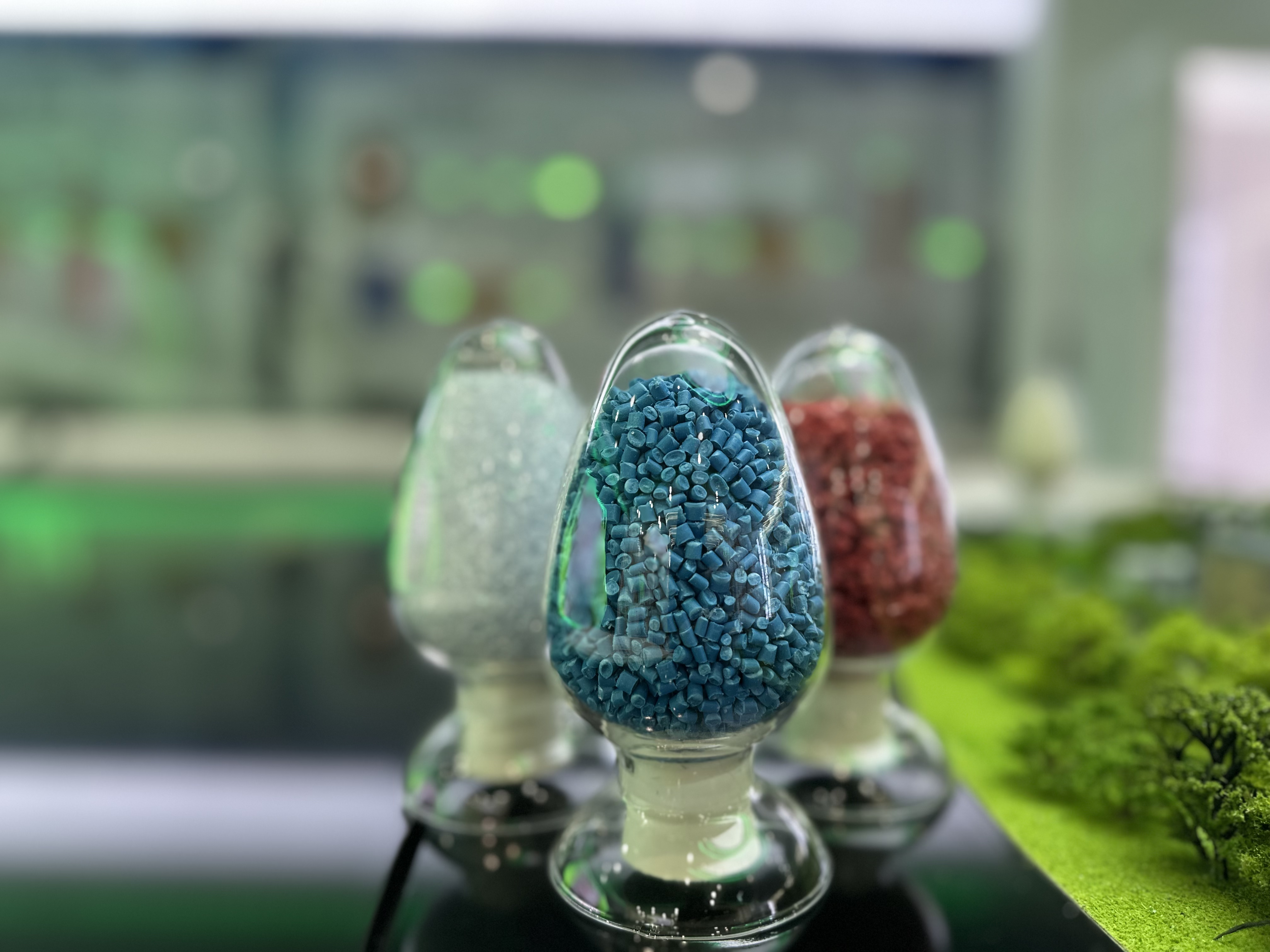
- Enhanced dispersion of pigments and fillers
As an external lubricant, EBH creates a low-friction interface between the polymer melt and processing equipment, preventing sticking, improving mold release, reducing equipment wear, and contributing to better surface gloss and smoothness.
This internal-external dual action makes EBH an effective processing aid in engineering plastics, PVC formulations, masterbatches, and high-temperature compounding environments where conventional lubricants can fall short.
The Anti-Yellowing Mechanism: What Makes EBH Different
Thermal discoloration is a persistent challenge in high-temperature polymer processing. As heat and oxygen act on the polymer melt, free radicals form and propagate oxidative chain reactions, degrading the resin, reducing mechanical properties, and producing the yellow or brown discoloration that signals thermal damage.
This is where EBH's hydroxyl group plays a decisive role. By donating hydrogen atoms, the -OH functionality interrupts free radical chain reactions before they cause visible discoloration, a mechanism similar to that of primary antioxidants used in polymer stabilization systems. EBH also minimizes the formation of chromophores, the chemical structures responsible for absorbing visible light and creating unwanted color shifts in finished products.
The practical outcome: resins processed with EBH retain their original color more consistently, even under elevated temperature conditions that would cause yellowing with standard lubricants.
Where EBH Delivers the Most Value
Color stability under heat is a critical performance requirement across a wide range of applications:
- Consumer electronics housings and home appliance components
- Automotive interior parts with tight color consistency requirements
- White and light-colored masterbatches where any yellowing is immediately visible
- Transparent and translucent engineering plastics
- Polycarbonate blends and ABS compounds processed at high temperatures
In these applications, the dual-function nature of EBH directly affects both production efficiency and end-product quality, reducing the need for separate antioxidant dosing while maintaining reliable lubrication performance.
A Multifunctional Additive for Complex Formulations
Modern polymer formulations rarely contain just one additive. Pigments, flame retardants, stabilizers, fillers, and processing aids all interact within the same system. EBH works synergistically within these complex matrices, promoting uniform additive distribution, improving surface quality, and maintaining consistent batch-to-batch performance without disrupting the broader formulation balance.
Source EBH from a Technically Capable Supplier
As plastic manufacturers push processing temperatures higher and quality expectations tighter, multifunctional polymer additives like EBH are becoming standard tools rather than specialty options.
Topwellgoal supplies EBH alongside a full portfolio of oleochemical additives, including EBS, oleamide, erucamide, stearamide, and behenamide, to manufacturers and distributors across Southeast Asia, China, and global markets. Our team provides formulation guidance alongside product supply, helping customers integrate EBH effectively into existing or new compound systems.
Contact Topwellgoal today to request technical data sheets, samples, or application support for EBH and our complete range of specialty plastic additives.